
What is the difference between budgeting and savings?
What’s the difference between saving and budgeting?
What is the difference between savings and expenses in a budget?
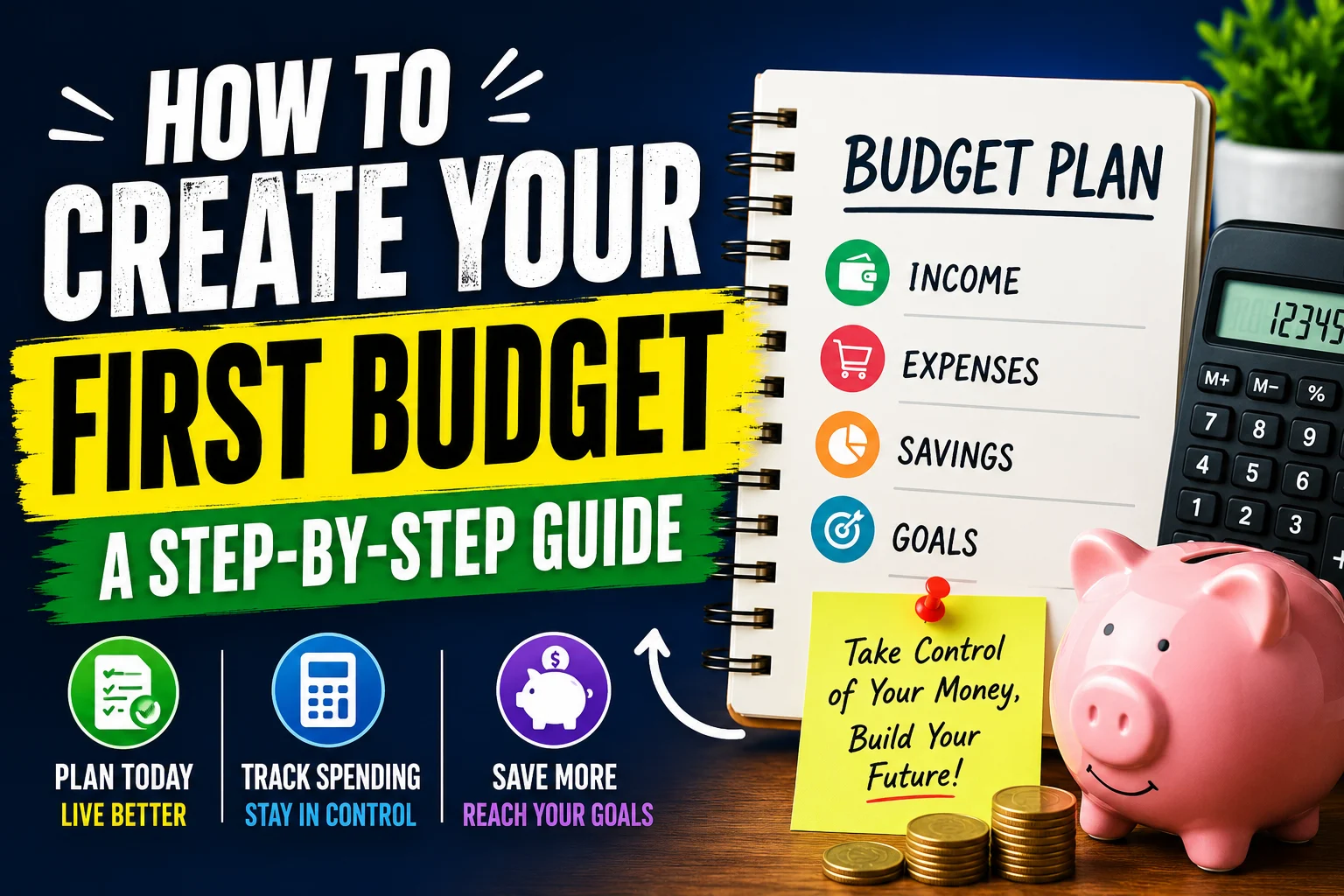
What are the 5 basic elements of a budget?
- Income – all the money coming in during a set period (salary, freelance income, allowance, side income), ideally counted after tax.
- Fixed expenses – costs that stay roughly the same every month, like rent, loan EMIs, or a subscription.
- Variable expenses – costs that change month to month but are still necessary, like groceries, fuel, or utility bills.
- Savings – the portion set aside for future goals, emergencies, or long-term security, ideally moved out of the spending account as soon as income arrives.
- Discretionary spending – the flexible, “want” category: eating out, entertainment, hobbies, and anything else that’s enjoyable but not essential.
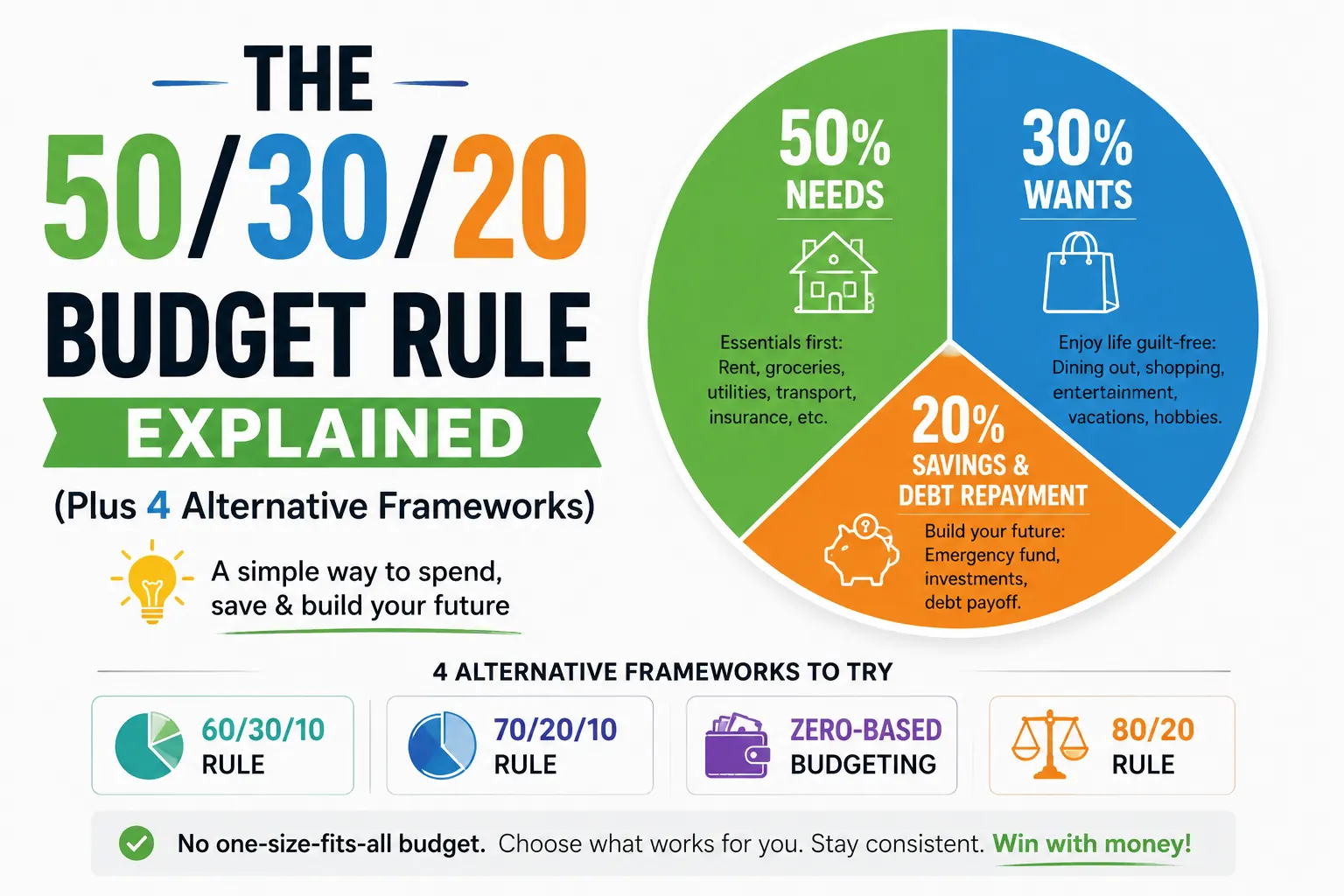
Needs vs. wants vs. savings: where does every rupee go?
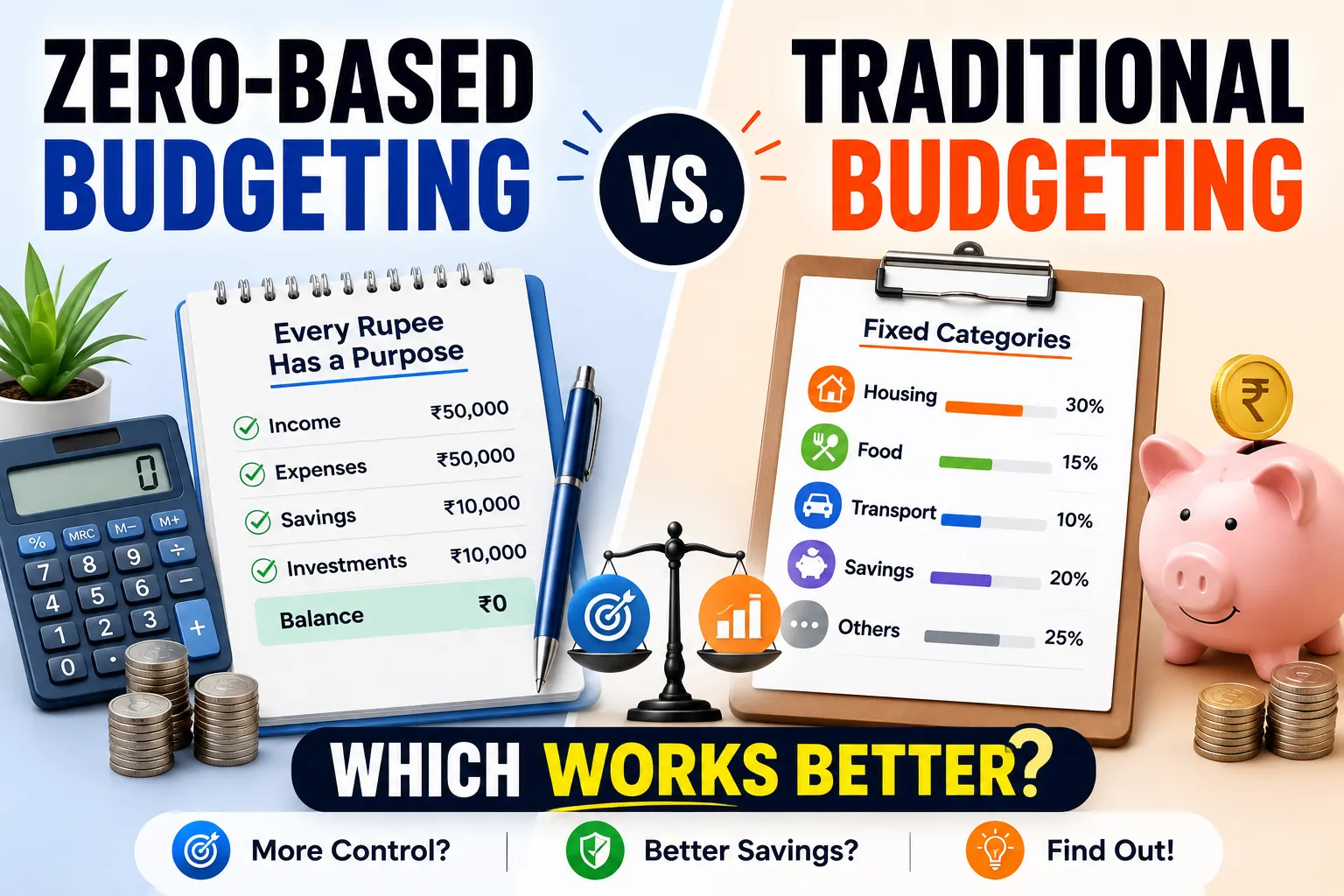
An overview of budgeting methods (and how to pick one)
Why saving and budgeting matter together
5 benefits of budgeting
- Clarity – you know exactly where your money goes instead of guessing at month’s end.
- Control over debt – a budget makes it obvious when spending is outpacing income before it becomes a crisis.
- Reduced money stress – decisions are made in advance, so day-to-day spending requires less anxious mental math.
- Faster progress toward goals – because savings has a fixed, protected place in the plan.
- Better big decisions – a clear budget makes it easier to evaluate whether a raise, move, or major purchase actually fits your finances.
7 reasons to budget
- It shows you exactly where your money is currently going, which is the first step to changing it.
- It prevents lifestyle creep from quietly absorbing every raise or bonus.
- It builds a buffer for irregular expenses (festivals, repairs, medical costs) instead of treating them as surprises.
- It makes saving automatic rather than dependent on willpower.
- It gives you an early warning system for overspending, often weeks before a bank balance would.
- It reduces arguments about money in households that budget together.
- It turns vague goals (“save more,” “spend less”) into specific, trackable numbers.



Leave a Reply