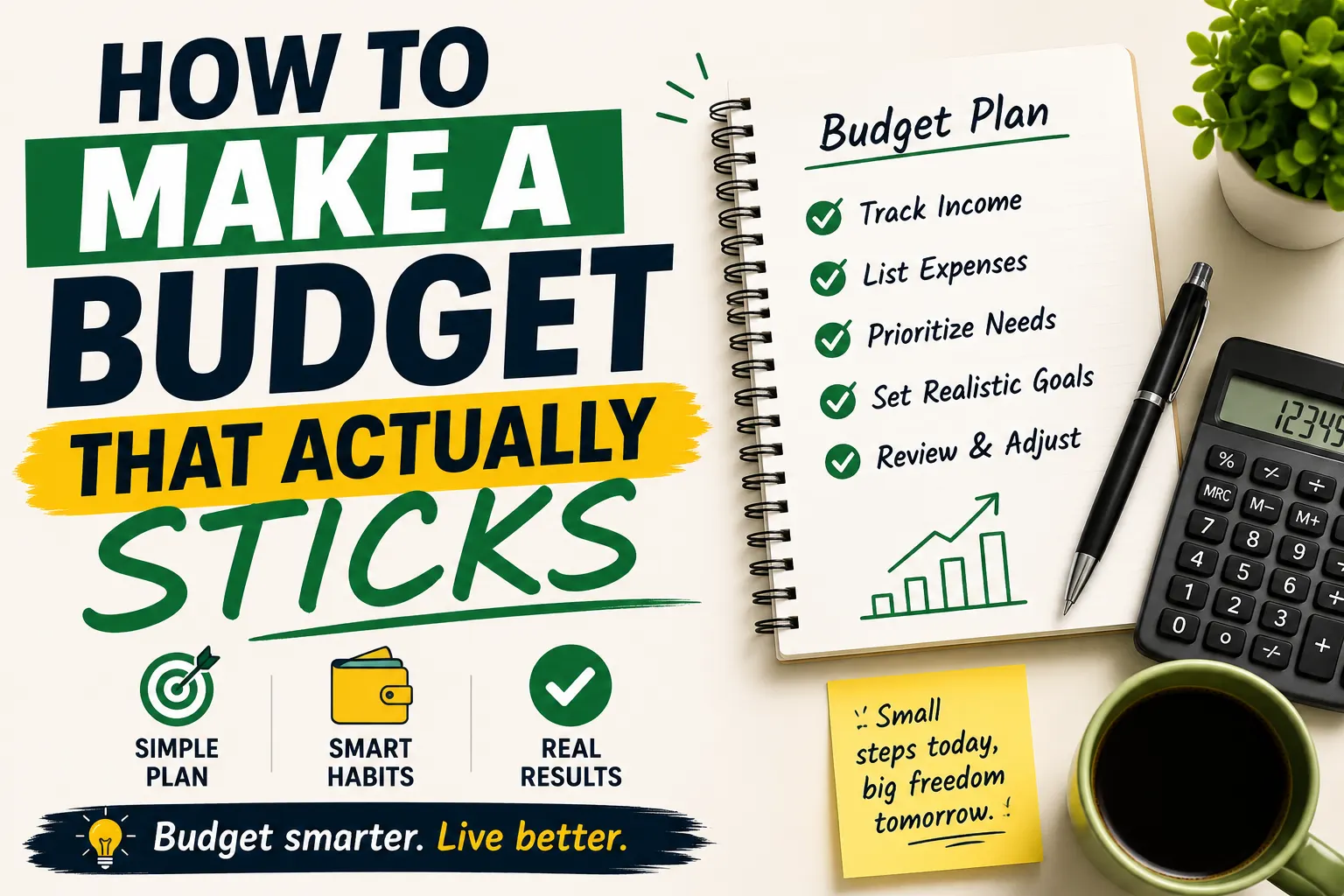
A budget sticks when it’s built around how you actually live, not around how you wish you lived. Most budgets fail within a few weeks not because the person lacked discipline, but because the plan was too strict to survive contact with real life, a friend’s birthday dinner, a good sale, a rough week at work. If you’ve tried and quit a few times already, the fix usually isn’t more willpower. It’s a different kind of budget.
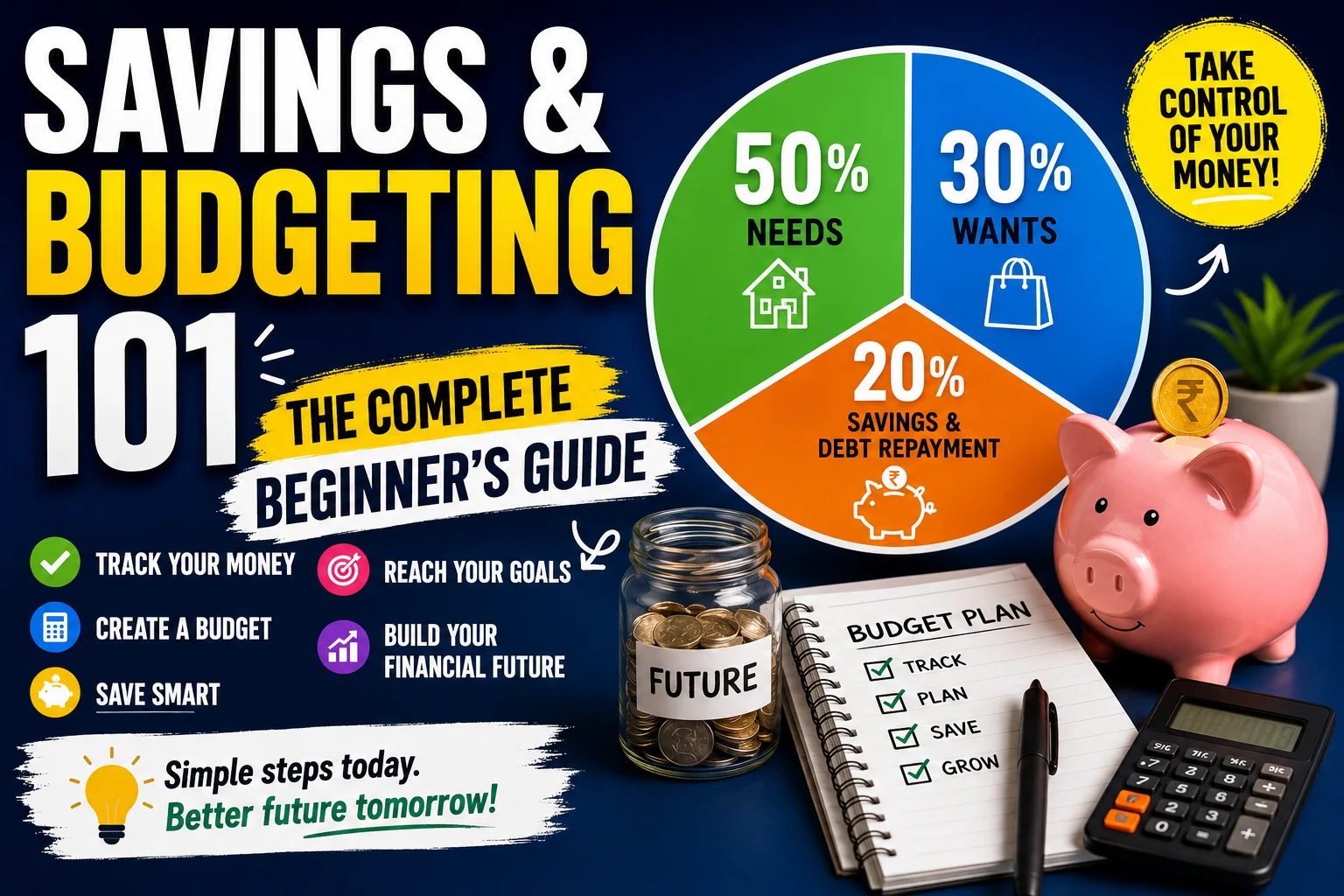
This guide walks through the habits that separate a budget that lasts from one that quietly dies in a drawer: building in room to breathe, tracking lightly instead of obsessively, running honest reality checks, and keeping your eyes on why you’re doing this at all. For the basics of building a budget in the first place, see our complete guide to savings and budgeting.

Why do most budgets fall apart within a few months?
Budgets usually fall apart because they leave no room for being human. A plan that assumes every month will go exactly as forecast, no takeout, no impulse buy, no forgotten subscription, is a plan designed to be broken. The moment reality diverges from the spreadsheet, many people conclude the whole system failed and abandon it entirely.
The second common failure point is treating a budget as a one-time task instead of an ongoing conversation with your money. A budget written in January and never revisited stops matching your life by March. If you recognize either pattern, our piece on common budgeting mistakes goes deeper into what tends to go wrong and how to course-correct.
How do you budget without feeling restricted?
You avoid the restricted feeling by budgeting for the things you enjoy on purpose, instead of pretending they don’t exist. A budget that allocates zero rupees to fun is a budget that will be broken the first time you want to see a movie or order in. Building a “guilt-free spending” category, even a modest one, turns those purchases from a failure into a planned, budgeted choice.
A useful mental shift is to think of your budget as a set of guardrails, not a cage. Guardrails let you move freely within a lane; a cage just says no. Concretely, that might look like:
- A fixed weekly or monthly amount for discretionary spending that’s yours to use with no explanation needed.
- Rollover rules: unspent fun money carries to next month instead of vanishing, which rewards restraint instead of punishing it.
- A “cooling-off” category for bigger wants, where money accumulates toward something specific instead of being denied outright.
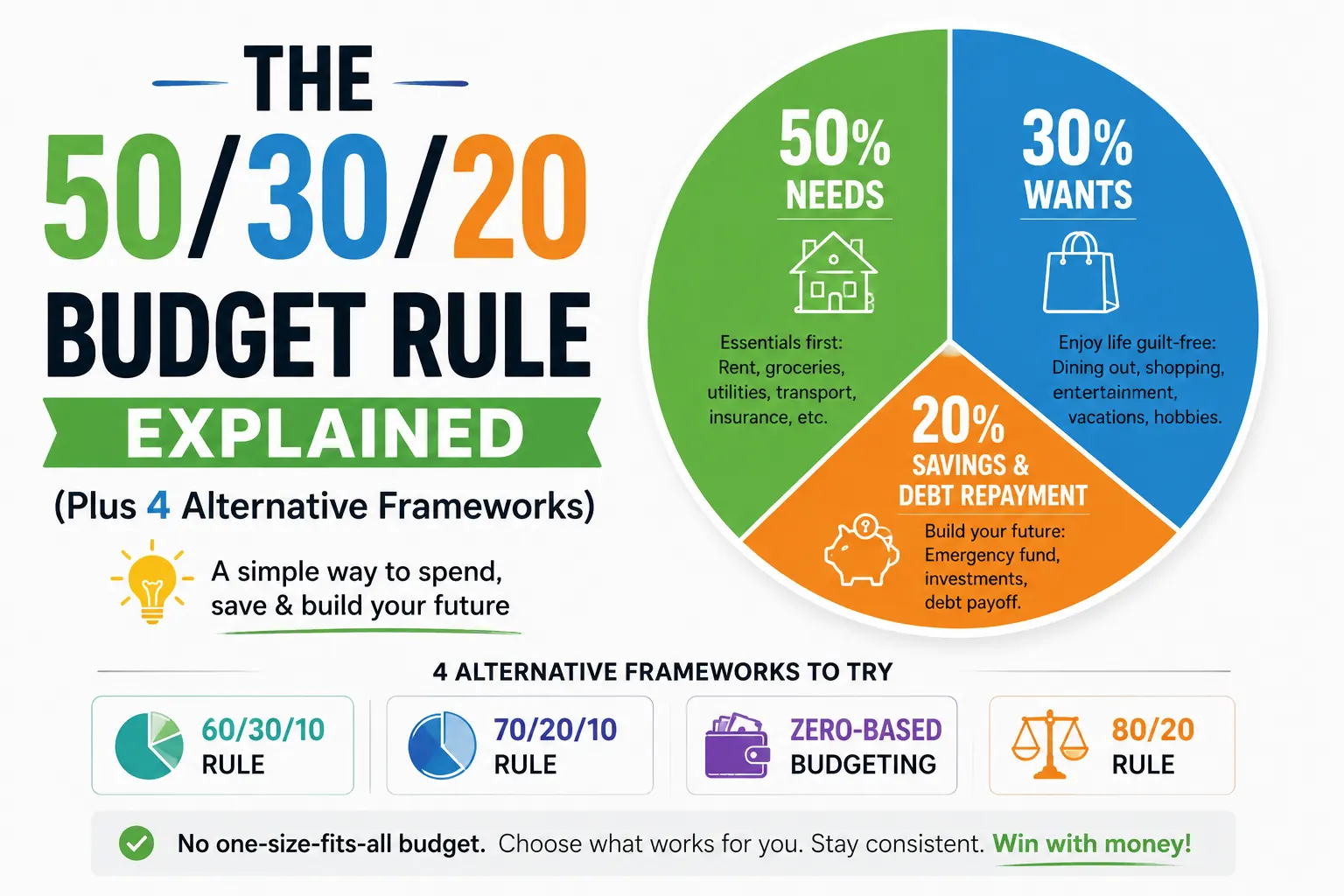
This is also where choosing the right framework matters; a rule like the 50/30/20 budget rule builds a wants category in from the start, which tends to feel far less restrictive than a budget with no room for wants at all.
How do you track spending without obsessing over it?
You track spending without obsessing by checking in on a fixed schedule instead of constantly. Checking your balance five times a day doesn’t make you more disciplined, it usually just makes budgeting feel like a chore you dread, which is a fast route to quitting altogether.
A weekly check-in is usually the sweet spot for most people: often enough to catch a category running hot before it’s a real problem, infrequent enough that it doesn’t take over your headspace. During that check-in, look at three things only:
- Which categories are on pace, over, or under for the month so far.
- Whether any upcoming expense needs money set aside now.
- Whether anything unusual happened that needs a one-time adjustment, not a whole rebuild.
If a category runs over, the goal isn’t to panic; it’s to note it, understand why, and move money from a lower-priority category to cover it. A budget is a living document you adjust, not a test you pass or fail.
How do you know if your budget matches your actual lifestyle?
You know your budget matches your lifestyle by running an honest reality check once a month: comparing what you planned to spend against what you actually spent, category by category. This is different from daily tracking, it’s a step back to ask whether the plan itself is realistic, not just whether you followed it.
A common trap is building a budget around the life you think you should be living rather than the one you’re living now. If your grocery budget assumes you’ll cook every meal from scratch but you know realistically you’ll order food twice a week, set the number to match reality and adjust elsewhere. A budget you can’t actually afford to follow isn’t a discipline problem, it’s a design problem.
Ask yourself plainly: can I actually afford this lifestyle on this income, or am I budgeting for a version of my life I don’t currently have? If the honest answer is no, the fix is either to adjust spending in a specific category or to acknowledge that a goal needs more time, not more willpower.
What questions should you ask yourself before changing your budget?
Before adjusting any part of your budget, ask questions that separate a real structural problem from a one-off event. A few short prompts, asked honestly, can save you from tearing up a working budget over a bad month, or from ignoring a pattern that needs real change.
- Is this a pattern or a one-time event? One expensive month from a wedding or medical visit doesn’t mean the budget failed; three months running over on the same category probably does.
- Did I set this number honestly, or did I guess? Categories based on a rough guess instead of a few weeks of real data are the most common source of “this budget doesn’t work” complaints.
- What would I have to give up to hit this target? If the honest answer is something you’re not actually willing to give up, the number needs to change, not your willpower.
- Am I comparing myself to someone else’s budget? A framework that works for a friend on a different income or in a different city may simply not fit your numbers.
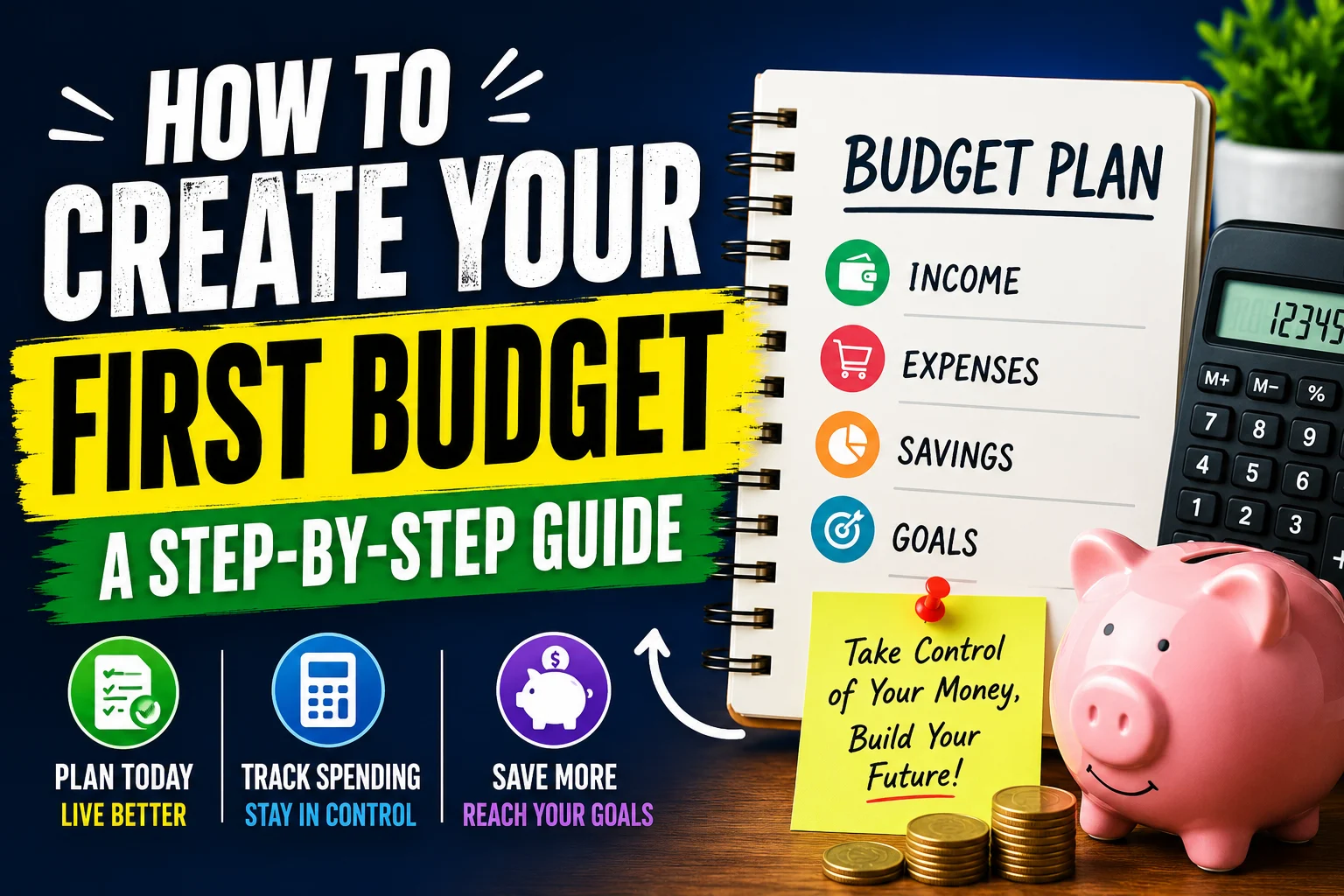
Our guide to building your first budget step by step covers how to set these numbers from real data in the first place, which makes this kind of review much easier later.
Why does picturing your future help a budget stick?
Picturing your future helps because a budget without a destination feels like restriction for its own sake, and restriction with no clear payoff is hard to sustain. When every category is tied to something concrete you’re moving toward- a deposit for a place of your own, three months of an emergency fund, a trip you’ve wanted to take- saying no to a smaller purchase today has an obvious trade-off attached to it.
This doesn’t need to be elaborate. Writing down one or two specific goals, with rough numbers and timeframes, gives your budget a “why” that a spreadsheet alone can’t provide. Revisit that “why” during your monthly reality check; it’s often the difference between a budget that feels like punishment and one that feels like progress.
What tools make sticking to a budget easier?
The right tool makes sticking to a budget easier by fitting into a routine you’ll actually keep, not by having more features. Some people stick with a plan far better using a simple spreadsheet they check weekly; others need an app that links to their bank account and does the tracking automatically; others do best with a physical envelope system they can see and touch.
There’s no single correct answer here, the best tool is the one that matches how you naturally think about money and how much manual effort you’re realistically willing to put in each week. Our comparison of budgeting apps and templates walks through the main categories of tools so you can pick one that fits rather than fighting your own habits.
Frequently asked questions
How long does it take for a budget to feel normal?
Most people need about two to three months of consistent use before a budget stops feeling like extra work and starts feeling like a normal part of managing money. The first few weeks are usually the hardest simply because the categories haven’t been calibrated to real spending yet.

Is it okay to change my budget every month?
Yes, a budget that adjusts as your circumstances change is doing its job, not failing at it. The goal is a plan that reflects reality, and reality shifts with the seasons, your income, and your priorities, so revisiting numbers monthly is normal and healthy rather than a sign something is wrong.
What should I do if I go over budget in a category?
Note the overage, figure out why it happened, and shift money from a lower-priority category to cover it rather than treating it as a failure. A single overspent category is a data point to adjust with, not a reason to abandon the whole plan.
Should I budget down to the last rupee or leave room for surprises?
Leave room for surprises. A buffer category for miscellaneous or unplanned costs, even a small one, absorbs the inevitable expense you didn’t think to plan for, which keeps one surprise from derailing categories you actually care about.
Keep reading: Start with the Savings & Budgeting 101 guide for the fundamentals, review common budgeting mistakes if your budget keeps falling apart, or compare budgeting apps and templates to find a tracking method that fits your habits.



Leave a Reply