Health & Wellness
Somewhere between dinner and dessert, a strange little phrase took over social media: the “fart walk.” It sounds like a joke, and honestly, it partly is, but underneath the silly name is a genuinely old piece of health advice getting a very modern rebrand. Millions of people are now lacing up their shoes right after eating, not to burn calories or hit a fitness goal, but specifically to get things moving, digestively speaking. Is there anything to it, or is this just another wellness trend riding a catchy name? Here’s what a fart walk actually is, where the term came from, and what the science says about walking after you eat.
Quick answer
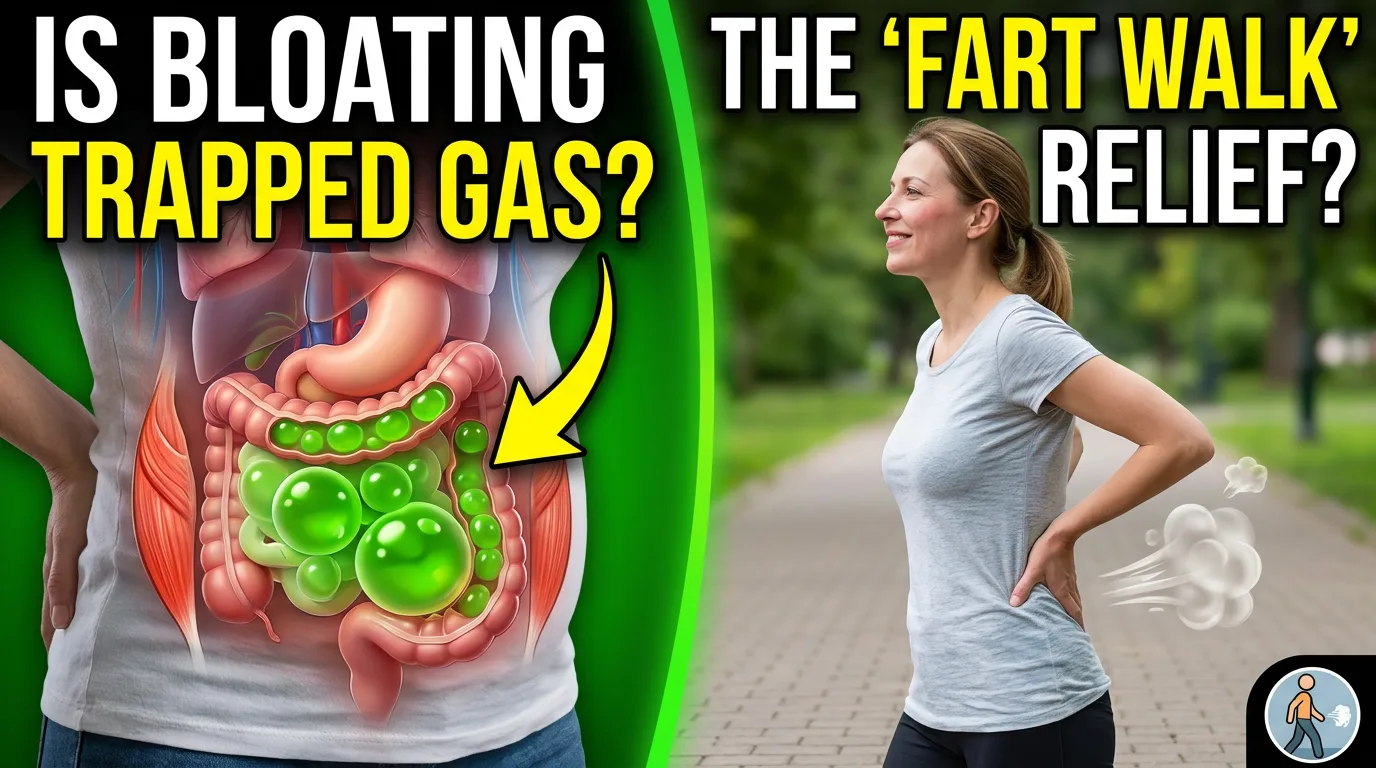
A fart walk is a short, easy, 10-to-15-minute walk taken shortly after eating, usually after dinner, to help move digestion along and relieve post-meal bloating and gas. The term was popularized on TikTok by Toronto-based cookbook author Mairlyn Smith in early 2025, but the underlying habit, walking after meals to aid digestion, is centuries old and shows up across many cultures. The physiological reasoning holds up: gentle movement stimulates gut motility (the wave-like muscle contractions called peristalsis), which helps move gas and food through the digestive tract, and it also produces a modest, real reduction in post-meal blood sugar spikes. It isn’t a treatment for a digestive disorder, but as an easy daily habit, the evidence behind it is more solid than most viral wellness trends.
What exactly is a “fart walk”?
Strip away the name, and a fart walk is simply this: a relaxed, low-intensity walk, typically 10 to 15 minutes, taken within about 15 to 30 minutes of finishing a meal. It’s not a workout. There’s no pace target, no heart-rate zone, no route to conquer. The entire point is gentle, sustained movement while your stomach and intestines are actively working through a meal, which is a very different physiological moment than walking on an empty stomach before breakfast.
The name comes from the most immediate, noticeable effect people report: because the walk helps move trapped intestinal gas along, many people find they pass gas more easily during or shortly after one, hence “fart walk.” It’s a self-deprecating, slightly juvenile name for something that’s really just postprandial walking, the term used in medical literature for walking done after a meal. Renaming an old, slightly unglamorous piece of advice into something funny and shareable is a big part of why it went viral in the first place.
Where did the fart walk trend come from?
The term is most closely associated with Mairlyn Smith, a Toronto-based cookbook author and registered home economist, who shared her post-dinner walking routine on TikTok in early 2025 and gave it the name that stuck. The video resonated for an obvious reason: everyone has felt uncomfortably full and gassy after a meal, and “go take a fart walk” is a far more relatable pitch than “engage in postprandial ambulation for improved gastric motility.” From there, the phrase spread quickly across TikTok and Instagram through 2025, picked up by lifestyle and health outlets and eventually covered by gastroenterologists weighing in on whether the trend actually holds up.
It’s worth being precise here: Smith is widely credited with coining and popularizing the specific term “fart walk” and turning it into a viral moment, but the practice of walking after meals for digestion is nowhere near new. It shows up in the Italian tradition of the after-dinner passeggiata, in old Chinese sayings about taking a hundred steps after every meal, and in the Indian custom of shatapawali, walking roughly a hundred steps after eating. What went viral in 2025 wasn’t the idea, it was the name, packaged for a social media audience that responds to humor more than health advice.
The real physiology: why walking after eating actually helps
The reason a fart walk isn’t just a funny meme is that light movement genuinely interacts with digestion in a measurable way. A few mechanisms are doing the work:

- It stimulates gut motility. Gentle movement encourages peristalsis, the coordinated muscle contractions that push food and gas through your stomach and intestines. Cleveland Clinic gastroenterologist Dr. Jessica Philpott notes that walking soon after a meal can measurably speed up how quickly food moves out of the stomach, which is part of why lingering fullness and pressure ease up faster with a walk than with sitting still.
- Body position increases abdominal pressure in a helpful way. Upright movement, as opposed to lying flat, changes the pressure dynamics in your abdomen in a way that helps gas move along rather than pool and cause bloating.
- It shortens gastric emptying time. The faster food clears the stomach, the less time you spend feeling overly full, which is one reason people report feeling noticeably less bloated after a short walk than after sitting on the couch.
- It blunts post-meal blood sugar spikes. Muscle contraction during walking pulls glucose out of the bloodstream and into working muscle tissue, independent of insulin, which helps flatten the blood sugar rise that follows a meal, particularly a carbohydrate-heavy one.
None of this requires intense exercise. The benefit comes from movement itself, not effort, which is exactly why a slow, easy stroll works as well as, or in some research better than, a brisk one for this specific purpose.
Does walking after eating actually help with gas and bloating? What the research says
Yes, and this is one of the more evidence-backed corners of the wellness-trend world. Harvard Health Publishing points to a 2021 study in which people who took a 10-to-15-minute walk after eating reported noticeably less bloating than those who didn’t, and notes more broadly that physical activity, walking included, helps relieve bloating-related symptoms associated with conditions like irritable bowel syndrome. Research reviewed by The Conversation similarly found that a short post-meal walk with even a modest change in posture, gently drawing the shoulders back rather than slouching forward, increases abdominal pressure in a way that helps push trapped gas through the gut and out.
The effect isn’t dramatic or instant in every case, and it won’t fix gas caused by an underlying digestive condition, food intolerance, or a genuinely gas-heavy meal. But as a low-effort daily habit for garden-variety, everyday bloating after eating, a short walk has more research behind it than most trending “debloating” tips that circulate online.
Does a fart walk help blood sugar too?
This is arguably the strongest evidence-backed benefit of the trend, even though it’s not the one in the name. Mayo Clinic Health System lists taking a short walk after each meal as a direct strategy to help prevent a blood sugar spike after eating, a recommendation aimed particularly at people managing or trying to prevent type 2 diabetes. The mechanism is straightforward: when muscles are active, they draw glucose out of the bloodstream for fuel, which flattens the sharp rise in blood sugar that normally follows a meal, especially one containing refined carbohydrates.
This benefit isn’t limited to people with diagnosed blood sugar issues. Post-meal blood sugar spikes happen in everyone to some degree, and research on postprandial walking consistently finds that even a short walk, in the 10-to-15-minute range, produces a measurable flattening effect compared with remaining seated. It’s one reason health professionals were quick to defend the fart walk trend once it went viral: the joke name undersells a habit with real, if modest, metabolic upside.
Fart walk vs. lying down after a meal
If the choice after a big meal is between walking and lying flat on the couch, walking wins for digestion. Lying down soon after eating slows gastric emptying and makes it easier for stomach acid to travel back up the esophagus, which is why lying flat after a meal is a well-known trigger for heartburn and acid reflux. Staying upright, whether that’s a walk or simply standing and moving around, keeps gravity working in your favor and helps food move in the right direction through the digestive tract.
| Post-meal activity | Effect on digestion | Best for |
|---|---|---|
| Short walk (10–15 min, easy pace) | Speeds gastric emptying, stimulates peristalsis, eases bloating and gas | Most people, especially after a heavy or gas-prone meal |
| Sitting upright | Neutral to mildly helpful; better than lying down, less helpful than movement | When a walk isn’t possible right away |
| Lying down flat | Slows gastric emptying; can worsen reflux and heartburn | Not recommended within 2–3 hours of eating |
| Intense exercise immediately after eating | Can cause cramping, nausea, or discomfort by diverting blood flow away from digestion | Better scheduled 1–2 hours after a meal, not right after |
How to actually do a fart walk: timing, duration, and pace
The practical version of the trend is simple enough to start tonight:

- Timing: Aim to start walking within 15 to 30 minutes of finishing a meal, while your stomach is still actively working through the food. Waiting too long, or walking on a completely empty stomach hours later, misses the window where the digestive benefit is strongest.
- Duration: Ten to fifteen minutes is the range most commonly cited in both the viral trend and the research behind it, and it lines up with roughly 1,000 steps at a relaxed pace.
- Pace: Slow and easy. This is a stroll, not a power walk or a run. The digestive and blood-sugar benefits come from gentle, sustained movement, not exertion.
- Posture: Walking upright with relaxed shoulders (rather than hunched forward) slightly increases helpful abdominal pressure and reduces the amount of air you swallow, both of which support the gas-relief effect.
- What to avoid: Don’t jump straight into intense exercise, a run, an intense cycling class, or heavy lifting, right after a big meal. Vigorous activity redirects blood flow away from the digestive system toward working muscles, which can cause cramping, side stitches, or nausea instead of relief.
Can walking too soon after eating cause cramps?
A gentle stroll, generally no. The cramping people associate with exercising after eating almost always comes from intense activity, not easy walking. When you exercise vigorously soon after a meal, your muscles and your digestive system compete for blood flow, and that competition is what produces the familiar side stitch or cramping feeling. A slow walk doesn’t create that same demand, which is exactly why it’s the activity level recommended for post-meal movement rather than a jog or a workout.
Who benefits most from a fart walk?
This habit tends to help a specific set of people the most:
- People with mild, everyday bloating. If your bloating is the ordinary kind that follows a large or rich meal, rather than a symptom of a diagnosed condition, a short walk is one of the simplest, lowest-cost interventions available.
- People with sedentary lifestyles or desk jobs. If dinner is followed immediately by sitting on a couch or at a desk for hours, adding a short walk breaks up that stretch of inactivity at exactly the point in the day when it matters most for digestion and blood sugar.
- People managing or trying to prevent blood sugar issues. Given how directly post-meal walking is tied to flattening blood sugar spikes, this habit is particularly relevant for anyone managing prediabetes or type 2 diabetes, alongside guidance from their doctor.
- Anyone who feels sluggish after eating. The combination of improved gastric emptying and light movement is a genuinely effective, low-effort antidote to the heavy, sleepy feeling that follows a big meal.
A fart walk is not a treatment for a digestive condition. It won’t resolve IBS, SIBO, celiac disease, or chronic reflux, and it isn’t a substitute for medical care if your bloating, gas, or discomfort is severe, persistent, or paired with other symptoms like pain, weight loss, or changes in bowel habits. Think of it as a genuinely useful daily habit layered on top of, not a replacement for, addressing an underlying digestive issue.
Beyond digestion: the broader benefits of a post-meal walk
While the fart walk trend is framed around gas and bloating, the habit carries benefits that extend past digestion, which is part of why health professionals have been happy to see it go viral:

- Mood and mental reset. A short walk, especially outdoors, is a well-established, simple way to lower stress and improve mood, and doing it after dinner turns an otherwise passive part of the evening into something restorative.
- Cardiovascular health. Regular short walks add up. Breaking up long stretches of sitting with brief movement, including after meals, is linked to better markers of cardiovascular health over time.
- Building a sustainable movement habit. Because a fart walk asks so little (no gear, no gym, no real time commitment), it’s one of the easier movement habits to actually stick with, which matters more for long-term health than the intensity of any single walk.
This article focuses specifically on the post-meal walking habit itself; it isn’t a general guide to the benefits of walking or exercise more broadly.
This article is for general information only and is not a substitute for medical advice. If you experience severe, persistent, or worsening digestive symptoms, or have a diagnosed condition affecting digestion or blood sugar, talk to a doctor before relying on lifestyle changes alone.
Frequently asked questions
What is a fart walk?
A fart walk is a short, easy walk, usually 10 to 15 minutes, taken shortly after eating to aid digestion and relieve post-meal bloating and gas. The term went viral on TikTok in 2025, but the underlying habit of walking after meals is a long-standing piece of health advice found in many cultures.
Does walking after eating help with gas?
Yes. Gentle movement stimulates gut motility and increases abdominal pressure in a way that helps move trapped gas through the digestive tract, and research cited by Harvard Health found that people who took a short walk after eating reported less bloating than those who didn’t.
How long should a fart walk be?
Most guidance, including the version of the trend that went viral, recommends 10 to 15 minutes at an easy, relaxed pace, roughly the equivalent of about 1,000 steps.
Is it better to walk or lie down after eating?
Walking is generally better. Lying down soon after a meal slows gastric emptying and makes acid reflux more likely, while staying upright and moving helps food and gas move through the digestive tract in the right direction.
Does walking after a meal help blood sugar?
Yes. Mayo Clinic Health System recommends a short walk after meals specifically to help prevent post-meal blood sugar spikes, since muscle activity pulls glucose out of the bloodstream independent of insulin.
When did the fart walk trend start?
The term is credited to Toronto-based cookbook author Mairlyn Smith, who shared her post-dinner walking routine on TikTok in early 2025, and the trend spread quickly across TikTok and Instagram from there. The underlying practice of walking after meals for digestion is much older and appears across multiple cultures.
Can a fart walk help with bloating?
For ordinary, everyday post-meal bloating, yes, a short walk is one of the simplest evidence-supported ways to ease it. It isn’t a fix for bloating caused by an underlying digestive condition.
Is a fart walk actually good for digestion?
Yes. Gastroenterologists note that walking soon after a meal can speed up how quickly food moves out of the stomach and supports the muscle contractions that move food and gas through the intestines, easing fullness and bloating faster than sitting still would.
How soon after eating should you walk?
Aim to start within about 15 to 30 minutes of finishing your meal, while digestion is actively underway, rather than waiting until hours later.
Can walking too soon after eating cause cramps?
A gentle stroll generally doesn’t cause cramps; that effect is far more associated with intense exercise right after eating, when muscles and digestion compete for blood flow. An easy-paced walk doesn’t create that same demand.
Do you need to walk after every meal to get the benefit?
No. Consistency over time matters more than doing it after every single meal. Even walking after your largest or most gas-prone meal of the day, often dinner, provides a meaningful benefit.
This article is for general information only, not medical advice. If you have persistent or severe symptoms, consult a doctor.
References
- Cleveland Clinic Newsroom – Take a Stroll: Benefits of Walking After Eating
- Harvard Health Publishing – How to Get Rid of Bloating: Tips for Relief
- Mayo Clinic Health System – How to Live Well With Diabetes
- The Conversation – Why Are People on TikTok Talking About Going for a ‘Fart Walk’? A Gastroenterologist Weighs In
- TODAY.com – What Is a #FartWalk? Creator Mairlyn Smith Breaks Down the Viral Trend
- Cleveland Clinic – Have Heartburn? Here’s How to Find Relief for Acid Reflux
Related Guides






Leave a Reply