Credit Cards
If you don’t have a paycheck coming in, because you’re between jobs, retired, a stay-at-home parent, a student, or living on disability or Social Security, it’s reasonable to assume a credit card issuer will turn you away. Most people believe an approval requires a W-2 and a pay stub. That belief is out of date, and it causes a lot of people to skip applying for a card they would actually qualify for.
Federal rules changed in 2013 specifically to make this easier for people without traditional employment income, and the definition of “income” on a credit card application is much broader than most applicants realize. This guide breaks down exactly what issuers are legally required to consider, what counts as income even without a job, how the rules differ if you’re under 21, and what to do if you genuinely have no income to report at all.
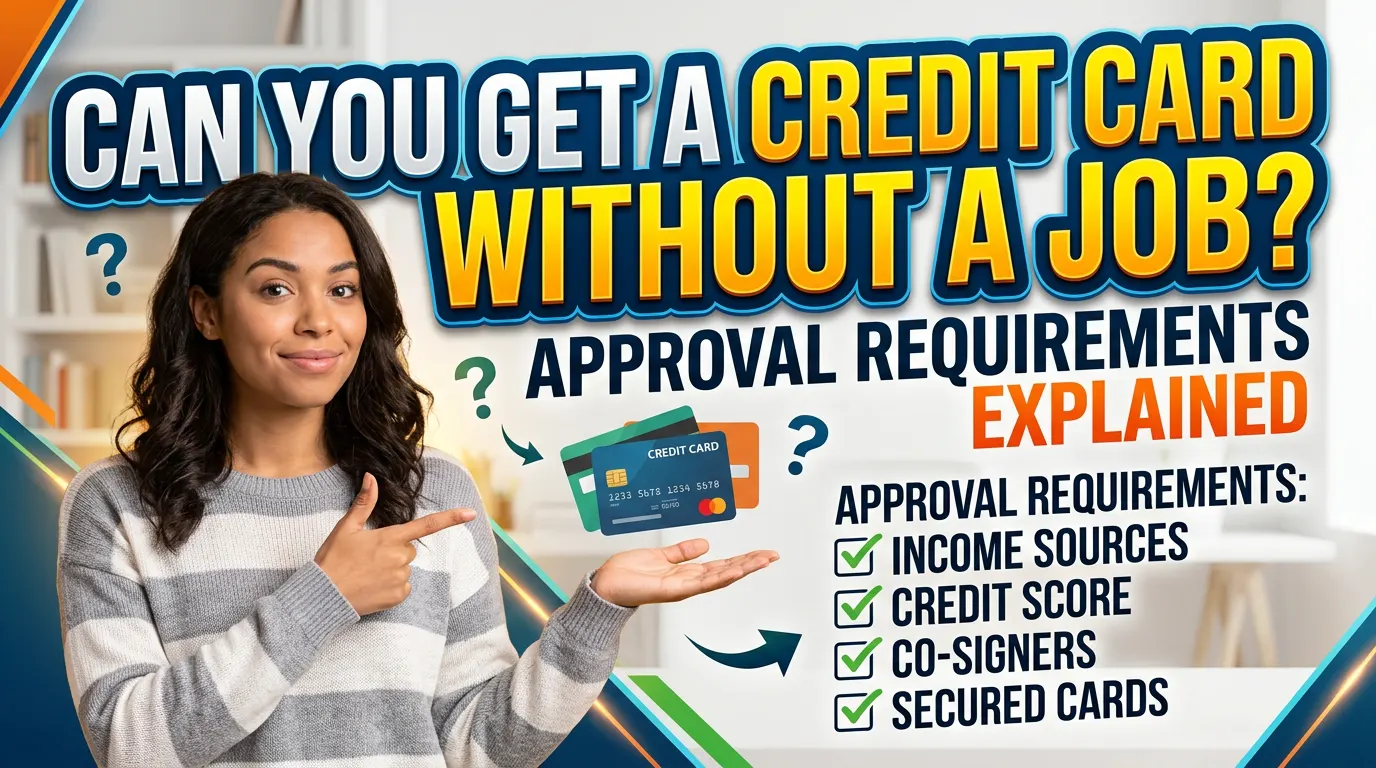
Quick answer: can you get a credit card without a job?
Yes. Federal law requires card issuers to evaluate your ability to pay, not your employment status, so a job title on the application is not required. If you’re 21 or older, you can report any income you reasonably have access to, including Social Security, retirement distributions, disability benefits, unemployment compensation, investment income, alimony or child support you choose to disclose, or a working spouse’s or partner’s income if you can reasonably access it. If you’re under 21, you generally need your own independent income and assets sufficient to cover payments, or a cosigner, joint applicant, or authorized-user arrangement with someone 21 or older. If you truly have no income at all, a secured credit card, a credit-builder loan, or becoming an authorized user on someone else’s account are realistic paths to a card and a credit history.
Why “no job” and “no income” are not the same thing
Credit card underwriting in the United States is governed by Regulation Z, the rule that implements the Truth in Lending Act and the CARD Act of 2009. Under the ability-to-pay provision, issuers must consider your income or assets and your existing obligations before extending a card or raising your limit, using a reasonable method such as a debt-to-income or debt-to-asset calculation. Nowhere does the rule require a specific employment status, it requires evidence that you can make at least the minimum payment.
That distinction matters. A retiree living on savings and Social Security has no job, but often has substantial ability to pay. A recent graduate with a full-time offer letter but no first paycheck yet has a job but no income history. Issuers are underwriting the second thing, money in, money out, not a job title.
What counts as income on a credit card application
The application will typically ask for “annual income” or “total annual income,” not “salary.” That wording is deliberate. According to the Consumer Financial Protection Bureau, issuers are permitted to ask about income specifically to determine whether you can afford the required minimum payment, and applicants are allowed to include income they can reasonably access. In practice, that includes:

- Wages, tips, freelance or gig income, and self-employment earnings
- Social Security retirement, survivor, or SSDI/SSI disability benefits
- Pension and retirement account distributions
- Unemployment compensation
- Investment income, interest, and dividends
- Alimony, child support, or separate maintenance income, you are never required to disclose this, but you may include it if you choose to
- A spouse’s, domestic partner’s, or household member’s income, if you are 21 or older and can reasonably access those funds
The Equal Credit Opportunity Act reinforces this from the other direction: it’s illegal for a creditor to discriminate against an applicant because their income comes from public assistance, or based on age or marital status. An issuer cannot reject you simply because your “income” is a Social Security check or an unemployment deposit rather than a paycheck.
The household income rule: how it helps stay-at-home spouses and partners
This is the single most useful rule for adults without a job of their own. When the CARD Act first took effect, issuers interpreted the ability-to-pay requirement strictly, and it became difficult for stay-at-home spouses and partners with no independent income to get approved on their own, since only their own income could be counted. Advocacy groups flagged this as a problem, since it meant a working spouse’s income could not help a non-earning partner build a credit history of their own.
The CFPB fixed this with a rule amendment that took effect in 2013. Applicants 21 and older can now report income from any source they have a reasonable expectation of being able to access, including a spouse’s or partner’s earnings, even if that income isn’t directly deposited into the applicant’s own account. The change was estimated to affect more than 16 million married adults who don’t work outside the home, roughly one in three married couples at the time. If you’re a stay-at-home parent, a caregiver, or otherwise not earning your own paycheck but you share household finances with a working partner, you are very likely eligible to apply using that shared income.
What “reasonable access” actually means
You don’t need your name on your spouse’s paycheck to count it. Reasonable access generally means you can use the money for your own expenses in the ordinary course of your relationship, a joint checking account, a household budget you both draw from, or an understanding that shared income covers shared bills. It does not mean listing a stranger’s or estranged family member’s income you have no actual access to; misrepresenting income on an application is a real risk and can be treated as application fraud.
If you’re under 21: the rules are stricter by design
Congress specifically restricted credit access for young adults under the CARD Act after widespread concerns about aggressive card marketing on college campuses in the 2000s. If you’re under 21, you have two paths to approval:

- Independent ability to pay: You can qualify on your own income and assets, but unlike applicants 21+, you generally cannot count a parent’s or partner’s income you merely expect to have access to, it has to be income that is actually and independently yours (a job, financial aid disbursed to you, savings, etc.).
- A cosigner, joint applicant, or guarantor 21 or older: That person signs a legally binding agreement to be responsible for the debt, and the issuer evaluates their ability to pay using the broader household-income standard.
A related, no-cosigner-required option for this age group is being added as an authorized user on a parent’s or trusted adult’s existing card. It doesn’t get you your own credit line, but the account’s payment history can appear on your credit report, which is often the realistic starting point discussed in our guide to credit cards for students.
What if you have no income at all right now?
Some applicants genuinely have $0 to report, no job, no benefits, no household income to draw on, and no cosigner available. In that case, a standard unsecured card is unlikely to be approved, because there is no ability-to-pay evidence to underwrite. That doesn’t mean you’re locked out of building credit. Realistic options include:
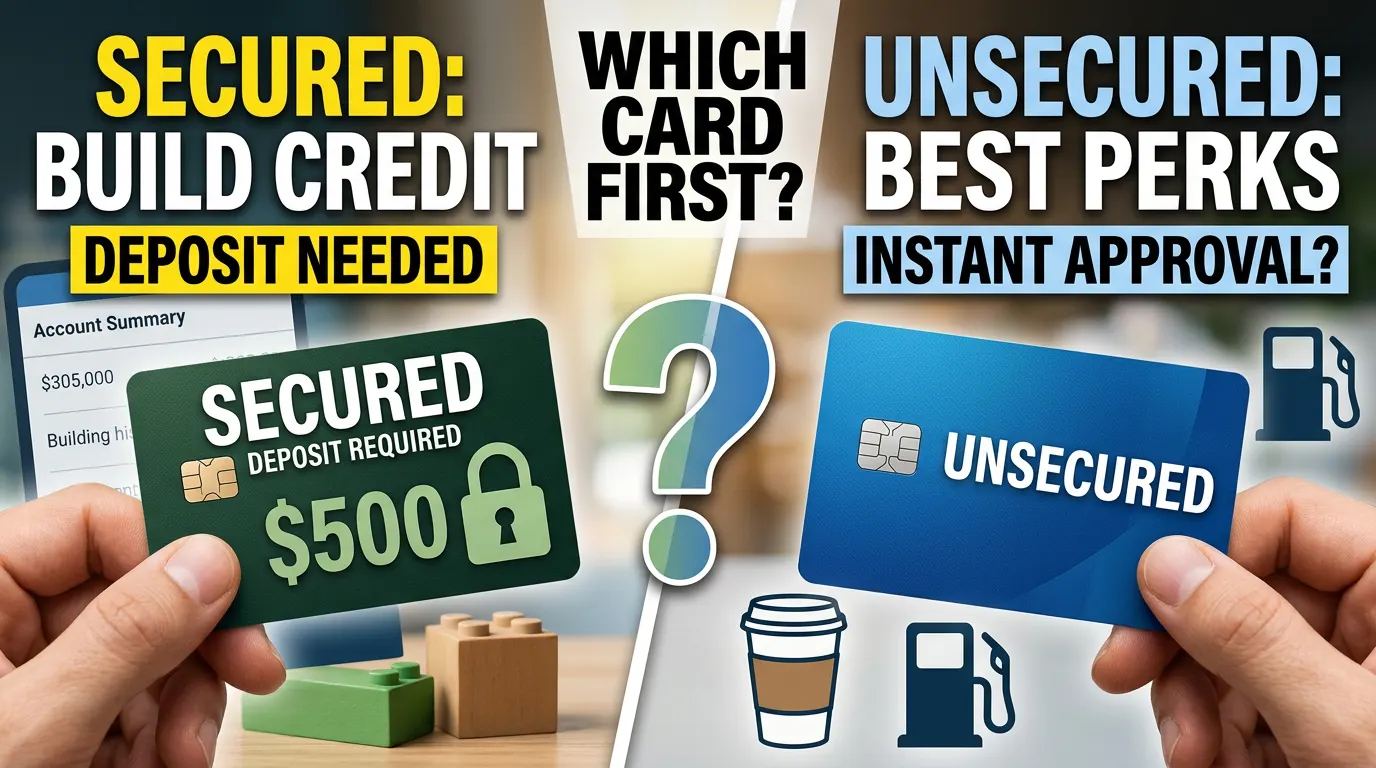
- A secured credit card, where a refundable cash deposit, typically equal to your credit limit, serves as the collateral that replaces income as the underwriting basis. See our full breakdown in Secured vs. Unsecured Credit Cards: Which Should You Get First?
- Becoming an authorized user on a family member’s or partner’s well-managed account, which can add positive payment history to your own credit file without any income requirement at all.
- A credit-builder loan from a credit union or community bank, a small installment loan structured so the funds are held until you finish making payments; it builds a payment history even with zero income.
- Waiting and reapplying once you have any qualifying income stream, even part-time, gig, or benefit income, a single small income source is often enough to clear the ability-to-pay bar for a starter card.
For a deeper comparison of which of these starter options tends to get approved fastest, see Easiest Credit Cards to Get Approved For.
What issuers can and can’t ask you
By CFPB guidance, an issuer is allowed to ask for your income (to gauge ability to pay), your age (to confirm you can legally enter a contract), and your Social Security number (to pull your credit report). What they are not allowed to do is deny you specifically because your income source is government benefits, or because of your age (beyond the legal minimums) or marital status, those are protected categories under the Equal Credit Opportunity Act. If you believe you were denied for one of these reasons, you’re entitled to a written adverse action notice explaining why, which is covered in detail in Why Your Credit Card Application Got Denied.
Practical steps before you apply without a job
- Add up every income source you can legitimately acces, benefits, retirement distributions, investment income, and household income if you’re 21+.
- Round conservatively. Report a realistic annual figure; issuers can and do verify income, and overstating it can be treated as application fraud.
- Check your credit report for free at AnnualCreditReport.com before applying, so you know what an issuer will see.
- Start small if income is thin. A secured card or a card aimed at limited-income applicants is more likely to approve you than a premium rewards card, and it still builds the same credit history.
- Have a cosigner or joint applicant ready if you’re under 21 and don’t have independent income.
| Your situation | What you can typically report as income |
|---|---|
| Stay-at-home spouse/partner (21+) | Partner’s income you can reasonably access |
| Retired | Social Security, pension, retirement account distributions |
| Unemployed, receiving benefits | Unemployment compensation, severance |
| Living with disability | SSDI/SSI, disability insurance payments |
| Student with no job | Financial aid disbursed to you, part-time/gig income, or a cosigner’s income if under 21 |
| No income of any kind | None to report — consider a secured card or authorized-user status instead |
Will an issuer ask you to prove your income?
Most applications don’t require documentation up front, you self-report an income figure, and the issuer decides whether to approve based on that number plus your credit report. But issuers do sometimes verify income after the fact, especially for larger credit limits or if something about the application looks inconsistent with your credit history. If asked, acceptable proof typically includes a benefits award letter (Social Security, SSDI, SSI, unemployment), a pension or retirement account statement, a joint bank statement showing shared household deposits, tax returns for self-employment or investment income, or a signed letter from the household member whose income you’re relying on. Keeping these documents on hand before you apply can prevent a delay or a request for more information after the fact.
It’s also worth understanding what happens on the other side of an application that doesn’t clear underwriting. Issuers are required to send a written adverse action notice explaining the principal reason for a denial within 30 days, and “insufficient income” or “unable to verify income” are among the most common reasons cited, both of which are fixable once you know that’s the issue, rather than assuming you’re simply not eligible for any card at all.
Frequently asked questions
Do I have to have a job to get a credit card?
No. Federal rules require issuers to evaluate your ability to pay based on income or assets, not your employment status. Retirees, stay-at-home spouses and partners, and people receiving benefits can all qualify without a traditional job.
Can I use my spouse’s income if I don’t work?
Yes, if you’re 21 or older. A 2013 CFPB rule change specifically allows applicants 21+ to report household income they can reasonably access, including a spouse’s or partner’s earnings, even if it isn’t paid directly to them.
What counts as income if I’m unemployed?
Unemployment compensation, severance pay, Social Security, disability benefits, pension distributions, and investment income can all be reported as income on a credit card application, as long as you actually receive them.
Can a credit card company reject me for being on public assistance?
No. The Equal Credit Opportunity Act specifically prohibits creditors from discriminating against applicants because their income comes from public assistance programs.
What can I do if I have absolutely no income to report?
Consider a secured credit card backed by a refundable deposit, ask a trusted family member to add you as an authorized user, or look into a credit-builder loan from a credit union. All three can help you start or grow a credit history without requiring proof of income.
Do I need a cosigner if I’m under 21 with no income?
Generally yes, unless you have independent income or assets of your own sufficient to cover the minimum payments. Applicants under 21 usually need a cosigner, joint applicant, or guarantor who is 21 or older and can demonstrate their own ability to pay.
References
- Consumer Financial Protection Bureau – § 1026.51 Ability to Pay
- CFPB – The CFPB Amends CARD Act Rule to Make It Easier for Stay-at-Home Spouses and Partners to Get Credit Cards
- CFPB – Can the Card Issuer Request Information About My Income, Age, and Social Security Number?
- Federal Trade Commission – Equal Credit Opportunity Act
- CFPB – Report Finds 26 Million Consumers Are Credit Invisible
- Experian – Will Being an Authorized User Help My Credit?
Related Guides
- Easiest Credit Cards to Get Approved For: Bad Credit, No Credit History & Low Income
- Secured vs. Unsecured Credit Cards: Which Should You Get First?
- Why Your Credit Card Application Got Denied (and How to Fix It)
- How to Choose the Right Credit Card for Your Lifestyle: A Complete Checklist
- Credit Cards for Students: What to Know Before Your First Card
- Building an Emergency Fund While You Budget: A Step-by-Step Plan






Leave a Reply