
Sleep & Wellness
Narcolepsy has a way of showing up in pop culture as something almost comedic, a character randomly face-planting into a bowl of soup. The reality for people who actually live with it is very different, and the question “is narcolepsy dangerous?” deserves a more careful answer than the stereotype suggests. Narcolepsy is a chronic neurological sleep disorder, not a personality quirk or a matter of willpower, and it involves the brain’s inability to properly regulate the boundary between wakefulness and sleep. That breakdown can produce sudden, uncontrollable sleep attacks, sudden muscle weakness triggered by emotion, and vivid, disorienting experiences around the edges of sleep. None of that is inherently life-threatening in the way a heart condition is, but it absolutely creates real, well-documented safety risks, particularly around driving and operating machinery, and it’s frequently misdiagnosed for years before people get an accurate answer. This guide breaks down what narcolepsy actually is, what its symptoms feel like, exactly where the real dangers lie, and what living with it safely looks like.
Quick answer: is narcolepsy dangerous?
Narcolepsy itself is not a life-threatening or degenerative disease; it doesn’t shorten your lifespan or cause permanent physical damage the way some other conditions do. But it is genuinely dangerous in a practical, safety sense: sudden sleep attacks and cataplexy (sudden muscle weakness) can strike without warning during activities like driving, swimming, cooking, or using machinery, and research has found that people with narcolepsy are significantly more likely to be involved in a car accident than people without the condition. The real risks are accidents and injuries caused by loss of muscle control or consciousness at the wrong moment, along with the toll of years spent misdiagnosed before getting proper treatment. With diagnosis, medication, and safety planning, most people with narcolepsy manage the condition well and live full lives.
What narcolepsy actually is
Narcolepsy is caused by a breakdown in the brain’s ability to regulate sleep-wake cycles, and it comes in two recognized types. Type 1 narcolepsy involves cataplexy and is linked to a severe loss of hypocretin (also called orexin), a brain chemical produced in the hypothalamus that’s essential for staying awake and stable. In most Type 1 cases, this appears to result from the immune system mistakenly attacking the hypocretin-producing brain cells, an autoimmune process, though what triggers it isn’t fully understood. Type 2 narcolepsy involves excessive daytime sleepiness without cataplexy, and hypocretin levels are typically closer to normal; its underlying cause is less well defined. Rarer secondary narcolepsy can result from brain injury, tumors, or other neurological damage affecting the same wake-regulating brain regions. A specific genetic marker (HLA-DQB1*06:02) and family history are both associated with higher risk, though narcolepsy can occur without any known family history at all.
The core symptoms of narcolepsy
Narcolepsy is often summarized around a handful of core features, though not everyone experiences all of them.
Excessive daytime sleepiness and sleep attacks
This is the symptom nearly everyone with narcolepsy has, and it’s usually the first one to appear. It’s not ordinary tiredness; it’s an overwhelming, hard-to-resist urge to sleep that can hit during activities that would normally keep most people alert, like eating, having a conversation, or sitting in a meeting. In more severe cases, this can progress to actual “sleep attacks,” where a person falls asleep suddenly and briefly, sometimes with very little warning, for anywhere from a few seconds to several minutes.
Cataplexy
Cataplexy is a sudden, temporary loss of muscle tone triggered by strong emotion, most classically laughter, but also surprise, excitement, or anger. It can range from a mild buckling of the knees or drooping of the face and eyelids to a full collapse where a person remains conscious but is briefly unable to move or speak at all. Episodes typically last from a few seconds to a couple of minutes and resolve on their own, but their unpredictability, combined with the fact that a person is fully aware and awake during an episode, is exactly what makes cataplexy risky in situations like standing near a hot stove, holding a hot drink, or, most seriously, driving.
Sleep paralysis
Sleep paralysis is a temporary inability to move or speak while falling asleep or waking up, even though the person is otherwise conscious and aware of their surroundings. It typically lasts seconds to a couple of minutes and, while it can feel frightening in the moment, especially the first few times it happens, it isn’t physically dangerous on its own. It occurs in the general population occasionally too, but it’s more frequent and more consistently associated with narcolepsy.
Hallucinations
Vivid, dreamlike hallucinations that occur while falling asleep (hypnagogic) or waking up (hypnopompic) are common in narcolepsy. These aren’t the same as psychiatric hallucinations; they’re a blending of dream imagery into a state of partial wakefulness, but they can be intense and, combined with sleep paralysis, genuinely unsettling, which is part of why narcolepsy is sometimes initially mistaken for a psychiatric condition.
Disrupted nighttime sleep
Counterintuitively, many people with narcolepsy also struggle to sleep well at night, waking frequently despite falling asleep easily. This fragmented nighttime sleep compounds the daytime sleepiness, creating a frustrating cycle where a person is excessively sleepy all day yet still can’t get consolidated, restful sleep overnight.
So, is narcolepsy actually dangerous? The real risks explained
The honest, evidence-based answer sits between “it’s harmless” and “it’s life-threatening.” Narcolepsy is not degenerative; it doesn’t damage organs, and major medical sources are clear that even severe symptoms don’t cause permanent physical dysfunction on their own. But the danger is real and specific: it comes from what can happen during a sleep attack or cataplexy episode, not from the condition itself.
Driving and accident risk
This is the most well-documented and most serious risk associated with narcolepsy. Research has found that people with narcolepsy are roughly two to four times more likely to be involved in a car accident than people without the condition, and studies of narcolepsy patients have found that a large majority have fallen asleep behind the wheel at some point, with a meaningful share also reporting a cataplexy episode while driving. The physics make the danger stark: at highway speed, a car covers the length of a football field in just four or five seconds, which leaves almost no margin for a sudden lapse in consciousness or muscle control.
Injuries from sudden loss of muscle control or consciousness
Beyond driving, sleep attacks and cataplexy raise real injury risk in everyday situations; cooking near an open flame, carrying hot liquids, using power tools or heavy machinery, climbing ladders or stairs, and swimming or bathing. Because cataplexy is triggered by strong emotion, situations that are meant to be fun or exciting, laughing hard at a joke, cheering at a sports game, an unexpected surprise, can be exactly when an episode strikes, which is part of what makes it so disruptive to ordinary social life.
Misdiagnosis and delayed treatment
One of the less obvious but very real dangers of narcolepsy is how often it’s misread as something else. Because hallucinations and sleep paralysis can sound alarming when described out loud, and because cataplexy episodes can superficially resemble seizures, narcolepsy is frequently misdiagnosed as a psychiatric disorder or a seizure disorder, and it can take years for people to receive an accurate diagnosis. That delay isn’t just frustrating; it means people can go a long time without appropriate treatment or safety guidance, continuing to drive or work in situations that carry real risk without realizing why they keep falling asleep or losing muscle control.
Mental health and quality-of-life impact
Living with unpredictable sleep attacks and cataplexy takes a psychological toll that shouldn’t be underestimated. Anxiety about when the next episode will strike, embarrassment around cataplexy in social or work settings, and the cumulative fatigue of chronic sleep disruption are all common, and narcolepsy is associated with a higher risk of anxiety and depression. Some research also points to elevated cardiovascular risk factors in people with narcolepsy, which is part of why ongoing medical monitoring, not just symptom management, matters.
How narcolepsy is diagnosed
Diagnosing narcolepsy typically involves a combination of a detailed sleep history (often supported by a sleep diary), an overnight polysomnogram to rule out other sleep disorders like sleep apnea, and a Multiple Sleep Latency Test (MSLT) the following day, which measures how quickly a person falls asleep during several scheduled daytime naps and whether they enter REM sleep abnormally fast, a hallmark finding in narcolepsy. In some cases, a lumbar puncture to measure hypocretin levels in the cerebrospinal fluid is used to confirm Type 1 narcolepsy specifically. Because the symptom pattern can overlap with other conditions, an accurate diagnosis usually requires seeing a sleep specialist rather than relying on a primary-care assessment alone.
Treatment and living safely with narcolepsy
There’s currently no cure for narcolepsy, but it’s very manageable with the right combination of treatment and safety planning.

- Wake-promoting medications such as modafinil and armodafinil are commonly used as a first-line treatment for excessive daytime sleepiness.
- Stimulant medications may be used for more severe daytime sleepiness that doesn’t respond adequately to other options.
- Sodium oxybate and related medications can help with both cataplexy and nighttime sleep disruption, often taken in split doses at night.
- Antidepressants are frequently prescribed specifically to help suppress cataplexy episodes, separate from their use for mood.
- Newer targeted medications, including drugs that work directly on the hypocretin/orexin system, have expanded treatment options in recent years for people whose symptoms aren’t well controlled by older medications.
- Scheduled short naps during the day, timed strategically (for example, before driving or an important task), can meaningfully reduce sleep attack risk.
- Safety planning – avoiding driving when drowsy or after a cataplexy trigger, taking breaks on long drives, being cautious around open flames, hot liquids, and machinery, and telling close friends, family, or coworkers about the condition, is a practical, essential part of managing narcolepsy day to day.
For driving specifically, some people with narcolepsy undergo a Maintenance of Wakefulness Test, which can help a doctor assess whether it’s safe to drive and under what conditions, and many find that consistent medication use combined with strict avoidance of driving during naturally drowsy hours (late at night, early morning, right after a big meal) meaningfully reduces their personal risk.
When to see a doctor or sleep specialist
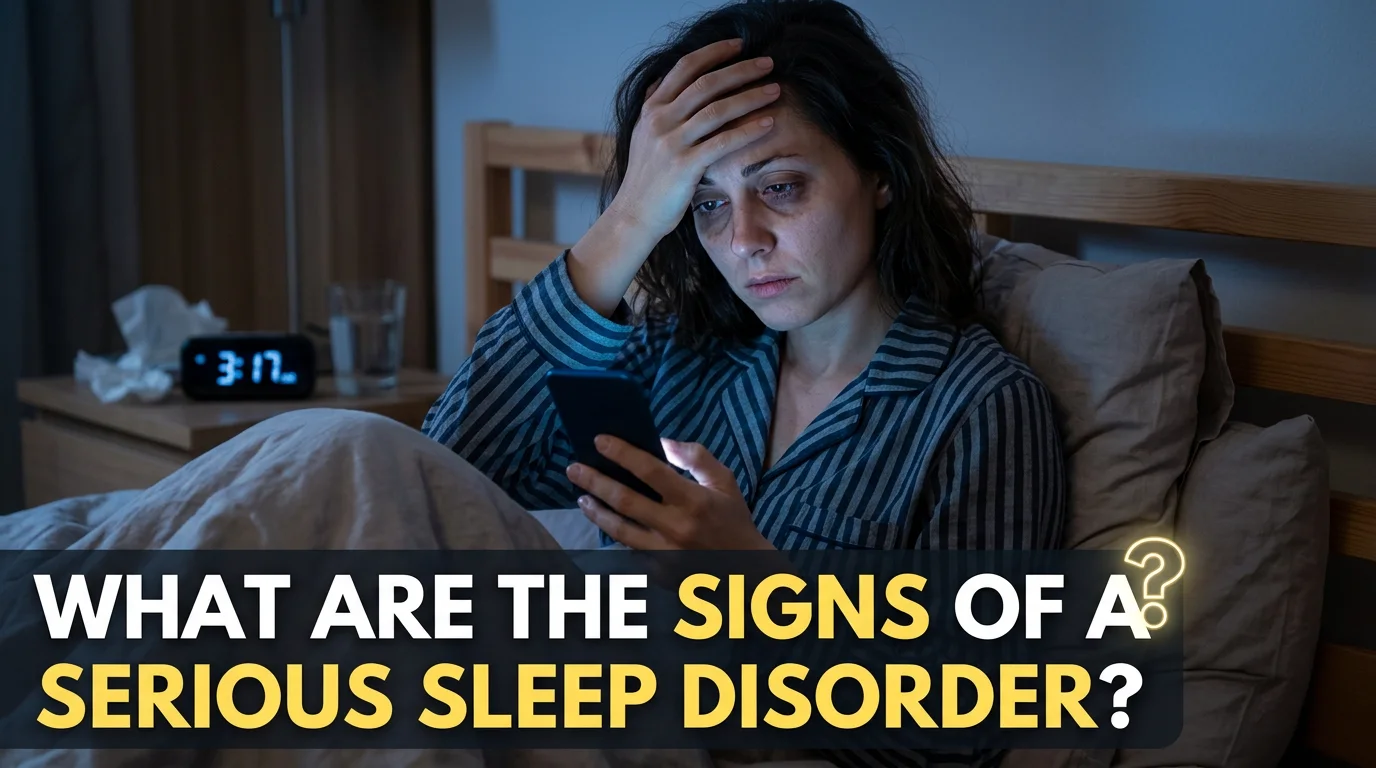
If you regularly experience overwhelming daytime sleepiness that interferes with work, school, or safety, especially if you’ve ever caught yourself falling asleep while driving, that’s worth bringing to a doctor without delay. Sudden muscle weakness triggered by laughter or strong emotion, recurring sleep paralysis, or vivid hallucinations while falling asleep or waking up are all worth mentioning as well, even if they seem like separate, unrelated issues; taken together, they can paint a much clearer diagnostic picture for a sleep specialist than any one symptom alone. Given how often narcolepsy is initially mistaken for something else, it’s reasonable to specifically ask about a referral to a sleep medicine specialist if your symptoms aren’t improving under a general diagnosis.
Frequently asked questions
Can you die from a narcolepsy sleep attack?
A sleep attack itself is not fatal, narcolepsy doesn’t stop your heart or breathing. The danger comes entirely from what’s happening around you when it occurs: falling asleep while driving, operating machinery, swimming, or being in another situation where sudden unconsciousness or loss of muscle control could lead to a serious accident or injury. That’s why safety planning around specific activities matters as much as medication.
Is it safe to drive with narcolepsy?
It depends heavily on how well controlled your symptoms are. Many people with well-managed narcolepsy, on appropriate medication and following safety precautions, do drive. However, people with narcolepsy face a meaningfully higher accident risk on average, and a doctor may recommend restrictions, additional testing like a Maintenance of Wakefulness Test, or in some cases advise against driving until symptoms are better controlled. This should always be an individualized decision made with a treating physician, not a personal judgment call alone.
Does everyone with narcolepsy have cataplexy?
No. Cataplexy is a defining feature of Type 1 narcolepsy but is absent in Type 2 narcolepsy, where excessive daytime sleepiness occurs without the sudden muscle weakness. Both types are legitimate forms of narcolepsy and both benefit from treatment, but the absence of cataplexy doesn’t rule narcolepsy out, which is part of why Type 2 can be harder to diagnose.
Why does narcolepsy get misdiagnosed so often?
Narcolepsy’s symptoms can look like other conditions on the surface. Cataplexy can resemble a seizure disorder, and hallucinations paired with sleep paralysis can be mistaken for a psychiatric condition, especially if a doctor isn’t specifically screening for narcolepsy. Because it’s a relatively uncommon condition compared with insomnia or sleep apnea, it isn’t always the first thing considered, and it can take years of symptoms before someone is referred to a sleep specialist and correctly diagnosed.
Is narcolepsy the same as just being extremely tired all the time?
No. Chronic fatigue from poor sleep habits, sleep apnea, or other causes can feel similarly exhausting, but narcolepsy specifically involves the brain’s sleep-wake regulation system malfunctioning, often alongside cataplexy, sleep paralysis, or hallucinations that don’t occur with ordinary tiredness. A Multiple Sleep Latency Test can distinguish narcolepsy from other causes of excessive sleepiness by measuring how quickly and how abnormally a person enters REM sleep during daytime naps.
Can narcolepsy develop suddenly in adulthood, or does it always start young?
Narcolepsy most commonly first appears in the teenage years or early adulthood, but it can develop at any age, and symptoms sometimes emerge gradually enough that they’re initially dismissed as ordinary tiredness or stress. Secondary narcolepsy caused by a brain injury, tumor, or other neurological event can also appear suddenly at any age, which is one more reason unexplained excessive sleepiness deserves a proper medical evaluation rather than being assumed to be lifestyle-related.
Narcolepsy is a real, manageable, non-degenerative neurological condition, not a punchline and not a death sentence, but the safety risks around sudden sleep attacks and cataplexy are genuine and shouldn’t be minimized. If any of these symptoms sound familiar, this article is a starting point for understanding the condition, not a diagnosis. A conversation with a doctor or sleep specialist, and appropriate testing, is the only way to get an accurate answer and a treatment and safety plan built around your specific symptoms.


Leave a Reply