
Fish & Aquariums
A few years into keeping a modest cherry shrimp colony, I did the math out of pure curiosity: total shrimp sold to a local fish store in a year, divided by everything I’d spent on tanks, filters, food, and electricity since I started. The number wasn’t negative, which felt like a small victory, but it also wasn’t anything close to a wage. It covered maybe two months of fish food and a heater I’d been putting off replacing. That’s the honest starting point for this whole topic, and it’s worth saying clearly before anything else: for the overwhelming majority of hobbyists, shrimp breeding is not a business. It’s a hobby that occasionally throws a little cash back at you.
Quick answer
At hobbyist scale, breeding shrimp is rarely a meaningful income source and should be treated as a way to partially offset the cost of the hobby rather than a side business you can count on. Common Neocaridina like cherry shrimp sell for very little individually, often somewhere between well under a dollar and a few dollars each depending on grade and local demand, and most of that value gets paid in store credit rather than cash. Higher-grade Caridina, crystal red, crystal black, and fancier Taiwan bee lines, can command real money per animal, sometimes dramatically more for top-graded, line-bred stock, but that market is smaller, far less forgiving of mistakes, and dominated by breeders who’ve spent years dialing in genetics and water chemistry. Both Aquarium Co-Op and Practical Fishkeeping, two of the more established names covering this hobby, land on roughly the same honest conclusion from different angles: it can pay for itself, and in rare cases pay reasonably well, but it essentially never replaces a job.
Is this actually a real income source?
The short answer from people who’ve actually tried it is no, not in any way that resembles a job. Aquarium Co-Op’s own breeding-for-profit writeup frames breeding fish and shrimp as a way to make “a side gig” that pays for aquarium hobby expenses, explicitly contrasting home breeding against commercial fish farms that produce millions of animals on razor-thin margins, a scale no home tank setup can compete with. Their worked example, a single 20-gallon tank combining guppies, cherry shrimp, and java moss, pencils out to something like $70 a month in theoretical sales before subtracting food, electricity, and the labor of actually running the tank. Once you price in even a modest hourly rate for your own time, the margin left over is thin.
Discussion threads on the Aquarium Co-Op forum, in threads specifically titled around shrimp breeding for profit, tend to circle the same conclusion from a more informal angle: colonies grow fast and shrimp are genuinely easy to breed once you understand the basics (our guide to breeding shrimp at home covers how automatic that process is for Neocaridina), but converting a growing colony into actual money is the hard part, not the breeding itself. You end up with far more shrimp than any single local buyer wants, at a price per shrimp that’s lower than most newcomers expect. That mismatch, easy supply, thin demand at low grades, is the core economic problem of shrimp breeding as a business, and it’s consistent across almost every hobbyist account of trying to do this seriously.
What it actually costs to breed shrimp at any scale
Nobody selling the dream of shrimp breeding profit talks much about the cost side, but it’s where most of the realistic math actually lives. ShrimpKeepers’ breakdown of cherry shrimp breeding economics puts realistic startup costs, breeding stock plus a proper tank setup, somewhere in the $400 to $1,100 range for a single serious system, with ongoing monthly operating costs of roughly $20 to $50 per tank once it’s running. None of that is exotic or wasteful spending; it’s just the real line items that get skipped over in forum posts about how much money someone made.
- Tanks and hardware. A dedicated breeding setup needs its own tank, filtration, and lighting rather than borrowing space in a community tank; see our shrimp tank setup guide for what a proper build actually requires, since cutting corners here is where colonies stall or crash.
- Heaters and equipment replacement. Sponge filters wear out, heaters fail, and light fixtures age; budgeting for occasional equipment replacement rather than assuming a one-time setup cost is realistic.
- Food and supplements. Shrimp-specific pellets, calcium and mineral supplements for molting, and color-enhancing foods for higher-grade Caridina all add up faster across multiple tanks than a single-tank hobbyist expects.
- Electricity. Heaters, filters, and lighting running continuously across several tanks is a genuine recurring cost, and it’s the one most new breeders forget to include when they calculate profit.
- Water and remineralization supplies. RO units, remineralizer salts, and the filters and membranes an RO system needs are a real ongoing cost specifically for Caridina breeders chasing stable, soft water.
- Time. Daily checks, weekly water changes, grading shrimp by eye, packaging or transporting animals to buyers, and simply keeping records all take real hours that rarely get valued at anything close to minimum wage once you actually track them.
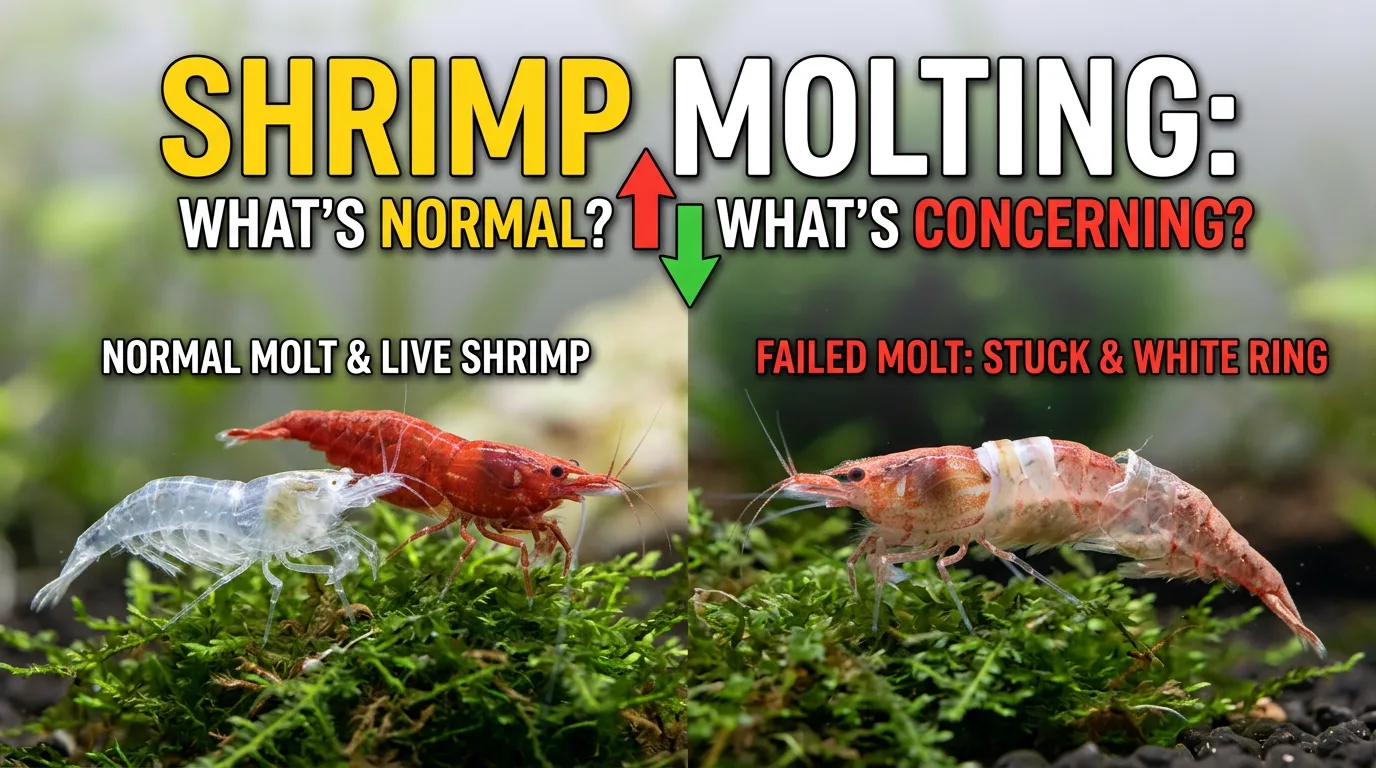
- Losses. Failed molts, disease, a bad batch of water, or a shipping loss all destroy inventory you already paid to raise; a realistic cost model assumes some percentage of stock simply won’t make it to a sale.
Aquarium Co-Op’s breeding-for-profit piece makes the labor point explicitly: once you price your own time at even $15 an hour and subtract it from theoretical revenue, a small tank’s profit margin shrinks dramatically. That single adjustment is often the difference between believing shrimp breeding is profitable and understanding why most people who’ve actually tracked their numbers describe it as break-even at best.
Where hobbyists actually sell shrimp (and what they actually pay)
The selling side is where a lot of the optimism about shrimp breeding profitability quietly dies. There are really three realistic avenues, and each comes with its own limitations.
Local fish stores are the most practical outlet by far, but they rarely pay cash, and when they do, it’s a fraction of retail. A long-running Fishlore forum discussion on what local stores actually pay for home-raised fish and shrimp found that cash payment is uncommon, with one respondent noting a single store in their area paying cash at roughly 10% of retail, while most other stores offered only store credit, typically valued around a third of the retail price. Common species and low grades in that thread traded for well under a few dollars each; one hobbyist who worked with seven stores over 15 months reported around $2,500 in combined cash and trade credit total, which is a genuinely useful real-world benchmark for what patient, consistent trading actually yields rather than what a single big sale might suggest.
Online hobbyist forums and marketplaces open up a wider buyer pool, including people specifically hunting for graded, line-bred Caridina, but they come with real friction: packaging shrimp safely for shipping, dealing with temperature swings in transit, and the very real risk of dead-on-arrival claims eating into your margin or your reputation. Aquarium Co-Op’s guidance on this specifically flags online shipping as the hardest and least reliable of the three main selling channels, citing meaningful odds of a shipment having problems that require a refund or replacement.
Local aquarium clubs and swap meets sit in between: a smaller, more knowledgeable buyer pool that tends to pay closer to fair value for well-graded stock than a chain pet store will, plus a venue where reputation and consistent quality actually compound over time the way they don’t in a one-off online sale. This is also where higher-grade Caridina breeders tend to have the most success, since club members are exactly the audience willing to pay a premium for genuinely good genetics rather than treating shrimp as an undifferentiated commodity.
Which species and grades are actually worth breeding for money
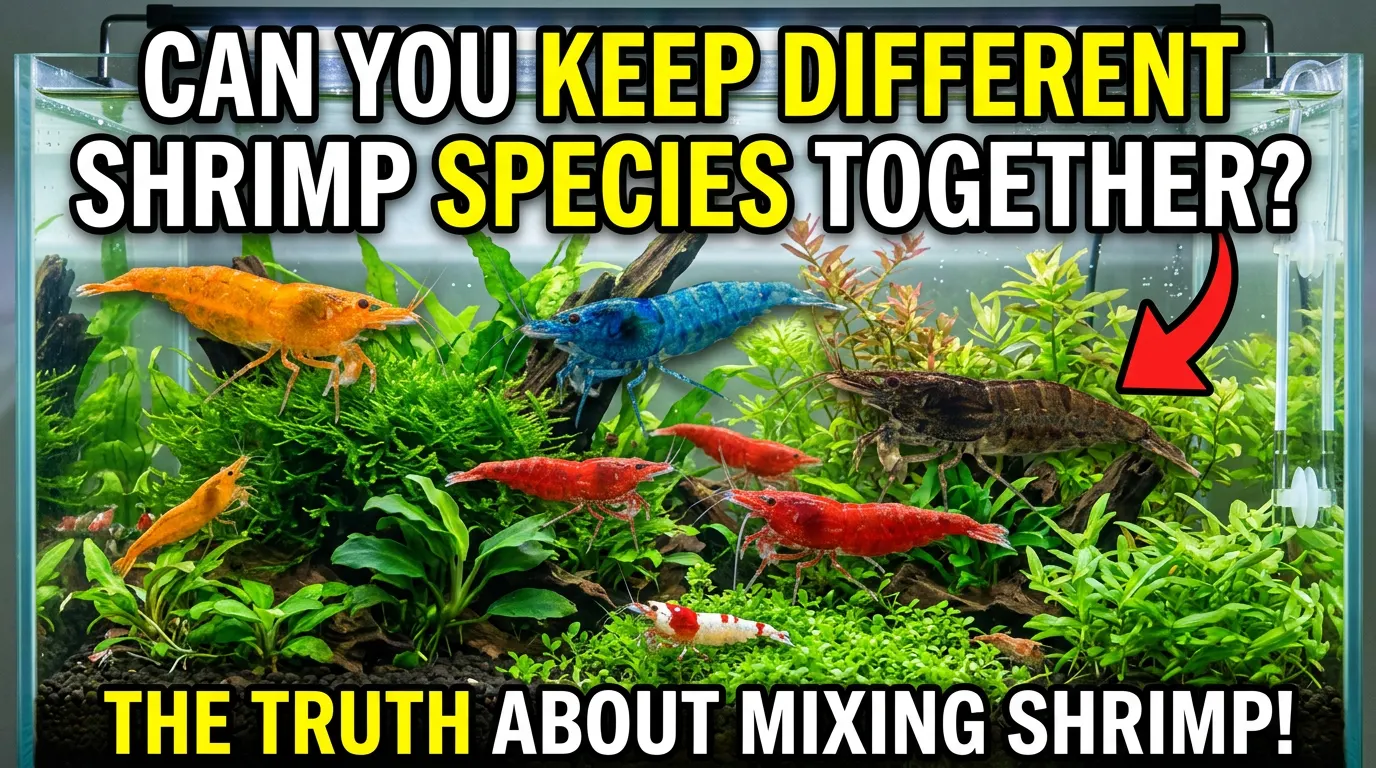
This is the single biggest lever in the whole conversation, and it’s also where most of the unrealistic expectations come from. Common Neocaridina, cherry, yellow, blue dream, and the rest of that family, breed so easily and in such volume (see our red cherry shrimp care guide for how readily they reproduce) that supply consistently outpaces demand at the low-grade end, which is exactly why ShrimpKeepers’ pricing breakdown puts low-grade Neocaridina at roughly $1 to $3 each and notes plainly that “the market is flooded with lower-grade specimens.” Higher-grade, more uniformly colored Neocaridina and mid-tier Caridina do better, but it’s the top end of the Caridina world, well-graded crystal red, crystal black, and fancier Taiwan bee lines like King Kong, Blue Bolt, and Panda, where genuinely serious money starts to show up. Practical Fishkeeping’s coverage of UK breeder Sharnbrook Shrimp describes premium exotic strains selling for £50 to £100 per animal, and their feature on the next generation of freshwater shrimp breeders goes further still, noting that exceptional, top-graded Red Bee specimens from serious breeding programs have sold for figures as high as roughly £8,300 (around €9,000) for a single outstanding animal, an extreme, headline-grabbing outlier rather than a realistic target, but a useful illustration of just how wide the gap between a common Neocaridina and elite, line-bred Caridina genetics actually is.
| Species / grade | Typical relative value | Realistic market |
|---|---|---|
| Common Neocaridina (cherry, yellow, blue dream), mixed/low grade | Very low, often under a dollar to a few dollars each | Oversupplied almost everywhere; mostly store credit |
| High-grade, uniform Neocaridina (fire red, blue dream premium lines) | Low to modest | Slightly better demand from keepers wanting a cleaner display look |
| Entry-grade Caridina (A-grade crystal red/black) | Modest | Beginner Caridina keepers and hobbyists upgrading from Neocaridina |
| Mid to high-grade Caridina (S, SS grade crystal red/black) | Meaningful per-animal value | Dedicated shrimp keepers and breeders building their own lines |
| Top-grade Caridina (SSS grade, fancy Taiwan bee lines: King Kong, Blue Bolt, Panda) | High, occasionally very high for standout individuals | Small, specialized breeder and collector market; genetics and reputation matter as much as the shrimp itself |
The Shrimp Farm’s grading guides for both crystal red shrimp and red cherry shrimp lay out exactly why this gap exists: grade is fundamentally a genetic ceiling, not a husbandry outcome, so a bag of unsorted, low-grade stock will simply never turn into high-value shrimp no matter how well it’s fed and cared for. Anyone hoping to make real money has to start with genuinely good breeding stock and grade ruthlessly from day one, not try to breed their way up from a bargain bag of mixed shrimp.
Scaling up: multiple tanks, genetics, and line-breeding
Every account of shrimp breeding that edges toward genuine profitability, rather than just covering hobby costs, involves the same two moves: more tanks, and deliberate genetics. Running several dedicated systems instead of one lets a breeder separate color lines, isolate a strong genetic strain from a colony that’s drifting toward average coloration, and produce consistent volume rather than one good batch followed by months of nothing. But scaling multiplies every cost from the section above almost linearly, tanks, filtration, food, electricity, and time, while revenue per shrimp doesn’t scale the same way unless the added tanks are producing genuinely higher-grade stock rather than just more of the same common shrimp.
Line-breeding, selectively culling out lower-color or poorly patterned individuals generation after generation so only the best genetics reproduce, is what actually moves a colony from “common and cheap” toward “graded and valuable.” Practical Fishkeeping’s feature on freshwater shrimp breeding describes serious breeders deliberately crossing established color morphs to stabilize new strains such as Panda and Blue Bolt, a process that takes generations of patient culling and careful record-keeping rather than luck. That kind of project takes real years to pay off, if it pays off at all; the same feature is candid that novice breeders who jump straight to expensive, delicate strains without that groundwork frequently lose their initial investment when shrimp die from parameter swings they weren’t prepared to manage. Scaling up is a real path to better economics, but it’s a path that demands more skill and more patience before it demands more tanks.
Setting realistic expectations
Put plainly: if the goal is a side income you can rely on, shrimp breeding is a poor candidate compared to almost anything else you could do with the same hours. If the goal is to keep a colony you enjoy, occasionally trade excess stock for store credit or cash, and maybe fund a bit of new equipment along the way, it’s a genuinely reasonable and achievable outcome that plenty of hobbyists land on comfortably. The realistic path there is starting with species you actually enjoy keeping, being honest about the market for whatever grade you’re producing, and treating any money that comes back as a bonus on top of a hobby you’d keep doing anyway, not as the reason to keep doing it. The people who describe shrimp breeding as worthwhile from a money standpoint are almost never talking about quitting a job; they’re talking about a hobby that, done patiently and with decent genetics, mostly pays for itself.
Frequently asked questions
Can you actually make a living breeding shrimp as a hobbyist?
Realistically, no. Every well-documented hobbyist account, including Aquarium Co-Op’s own breeding-for-profit guidance, frames it as a side gig that can offset hobby costs, not a source of full-time income, since home-scale production can’t compete with commercial breeders on volume or margin.
How much money can a hobbyist breeder realistically expect to make?
It varies enormously by species, grade, and selling channel, but for common Neocaridina it’s typically enough to offset some food and equipment costs rather than generate meaningful cash, especially once store credit and your own time are factored in. Higher-grade Caridina can earn noticeably more per animal, but from a much smaller, more specialized market.
Which shrimp are actually worth breeding for money?
Common Neocaridina like cherry shrimp sell for very little because supply consistently outpaces demand. Higher-grade Caridina, especially well-graded crystal red, crystal black, and fancier Taiwan bee lines, command meaningfully more per animal, though that market rewards genetics and grading discipline far more than volume.
Do local fish stores pay cash for shrimp?
Sometimes, but it’s uncommon and usually low, often cited around a tenth of retail value when cash is offered at all. Store credit, typically valued around a third of retail, is the more common arrangement, and building a long-term relationship with one or two stores tends to work better than shopping a colony around.
Is breeding crystal red shrimp more profitable than cherry shrimp?
Per animal, yes, well-graded crystal red shrimp can sell for considerably more than common cherry shrimp. But Caridina are also noticeably less forgiving of unstable water, meaning higher losses and more specialized equipment, so the higher price per shrimp doesn’t automatically translate into a higher profit margin for an inexperienced breeder.
Is scaling up to multiple tanks worth it for profitability?
Only if the additional tanks are producing genuinely higher-grade, line-bred stock rather than just more common shrimp, since costs scale with tank count roughly in proportion while low-grade shrimp prices stay flat. Scaling pays off best when it’s paired with deliberate genetics and culling, not simply more water volume.
What’s the biggest hidden cost people forget when estimating shrimp breeding profit?
Their own time. Daily checks, water changes, grading, packaging, and managing buyers all add up to real hours, and pricing that time at even a modest hourly rate is usually what turns an apparently profitable tank into a break-even one.
If you’re earlier in the process and still deciding which shrimp to start with, our best shrimp for beginners guide compares the realistic options before you factor money into the decision at all, and a steady aquarium maintenance routine is what actually keeps a breeding colony, and any shrimp you hope to sell, healthy enough to be worth something in the first place. If a growing colony is starting to outpace its tank, my guide to upgrading shrimp tank size covers how to scale up without a full re-cycle, and my crystal shrimp care guide breaks down the grading system that determines how much a premium Caridina colony is actually worth.
References
- Aquarium Co-Op: How to Breed Aquarium Fish for Profit
- Fishlore Forum: What Do Local Fish Stores Pay for Home-Raised Fish
- ShrimpKeepers: How to Breed Cherry Shrimp for Profit
- The Shrimp Farm: How Grading Crystal Red Shrimp Works
- The Shrimp Farm: Red Cherry Shrimp Grades
- Practical Fishkeeping: Mail Order from Sharnbrook Shrimp
- Practical Fishkeeping: Freshwater Shrimps – The Next Generation



Leave a Reply