
BROMELIAD GUIDE · UPDATED OCTOBER 2026
By Everydaything Team · Last updated October 2026
Bromeliad pups are the baby plants a bromeliad grows at its base after it flowers, and they are exact clones of the parent. You can cut each pup off once it reaches roughly one-third of the parent’s size, pot it in a loose, fast-draining mix and wait one to three years for it to bloom. A pup does not need roots to survive, which is the detail that worries most beginners.
Quick answer
- When: about one-third to one-half of the parent’s size, or a 3 to 4 inch rosette (7 to 10 cm).
- How: a clean, sharp knife, cutting as close to the parent as you can.
- Pot: 3 to 4 inch pot, loose mix, planted no deeper than the base of the lowest leaves.
- No roots? That is fine. Stake the pup and keep the mix lightly moist.
- Leave them on? Also fine. The pups will grow into a clump and replace the mother.
- Bloom: expect one to three years after separation, longer if you start from seed.
Our complete bromeliad care guide gives a short overview of pups. This article goes deeper into the steps, the timing debates and the differences between genera.
What are bromeliad pups and what do they look like?
A pup, also called an offset, is a small plant that grows from the base of a mature bromeliad. The Bromeliad Plant Care site describes pups as exact clones of the mother plant. In practice a pup looks like a miniature version of its parent: a small rosette of leaves sitting against the parent’s base. The UF/IFAS Nassau County office adds that pups often emerge near the edge of the container during flowering.
Pups usually appear after the parent has bloomed. Bromeliads flower once and then slowly decline, as the University of Missouri’s IPM team puts it: the mother “flowers only once and then (slowly) dies”. Flowering is what encourages the offsets. For the full timing story, see our guide on how bromeliads flower and rebloom.

Where do pups grow on the plant?
It depends on the genus, and this explains why a pup is sometimes easy to spot and sometimes hidden.
- At the base, outside the rosette. This is the usual pattern. The Missouri Botanical Garden notes that pups usually appear on the outside of the original rosette once the flowers are spent.
- On stolons. Some bromeliads send out long shoots along the surface. The New York Botanical Garden says some species form colonies on stolons, and Wikipedia reports that Neoregelia pups grow on stolons around the central rosette.
- Inside the rosette. The Missouri Botanical Garden warns that Vriesea may form new plants inside the original rosette, not outside it.
How many bromeliad pups will one plant produce?
No fixed number exists in any source we checked. The Bromeliad Plant Care site says a mother can carry multiple offsets at once and may keep producing them for a year or two. The Royal Horticultural Society adds a useful warning: plants bought in flower rarely have offsets yet, and old plants can last two to three years while producing offsets at intervals.
In short, the number varies with species, light and feeding, so do not expect a set count.
When should you separate bromeliad pups?
Wait until the pup is about one-third the size of its parent, and until it has started to form a proper rosette. Most sources agree on that threshold, though a few set it higher. The table compares what we found.
| Source | Guidance on pup size | Season given |
|---|---|---|
| LSU AgCenter (Dan Gill) | About one-third of parent size | Not specified |
| UGA Extension (Rob Trawick) | About one-third of parent size | Not specified |
| RHS | Roughly one-third of mature plant | April or May (UK) |
| Penn State Extension (Tillandsia) | About one-third of parent size | Not specified |
| Bromeliad Plant Care; NYBG article | One-third to one-half of parent size | Not specified |
| NYBG Q&A (Guzmania) | 3 to 4 inches long, rosette started | Spring |
| Wikipedia (Neoregelia, secondary) | About two-thirds of adult size | Not specified |
The links behind the table are LSU AgCenter, UGA Extension, Penn State Extension and the NYBG Guzmania answer. Because the figures differ, a cautious reading is to aim for one-third to one-half. The NYBG answer adds that removing pups earlier can keep them from rooting or delay rooting for a long time.
Which season is best?
Sources from temperate regions point to spring. The RHS says April or May, and the NYBG says spring, both when days are warming and growth is starting. The logic is warmth and light, not the calendar. The IMD’s season dates are winter in January to February, pre-monsoon in March to May, the southwest monsoon in June to September and post-monsoon in October to December, as the IMD’s annual climate statement lists them. See the India section below for what that means for you.
What happens if you leave the pups on the mother plant?
Nothing bad. Leaving pups attached is a legitimate choice, and the plant simply becomes a clump. LSU’s Dan Gill notes you can keep pups together in the original pot and remove the parent once it dies. Pups left on also feed from the parent, so they grow faster, as the Bromeliad Plant Care site points out. On the other hand, removing them smaller lets the mother put energy into producing more pups.
Penn State Extension offers the same two options, separating at one-third or leaving a clump. A clump can look lush in a large pot, but a crowded pot is harder to water and inspect. So separate if the pot is full or if you want more plants. If you do leave pups on, trim the mother’s brown leaves once they fade, which the Bromeliad Plant Care site suggests doing to give pups more light.
What tools and prep do you need?
You need very little. Gather these before you start:
- A sharp, clean knife or pruners. The Bromeliad Plant Care site recommends a sterilised blade; wiping with rubbing alcohol is a common way to do it.
- Gloves for spiny types. Our safety guide on bromeliad toxicity and spines explains why they matter.
- Small pots, 3 to 4 inches wide, with drainage holes.
- A loose mix (see below) and two or three thin stakes, such as chopsticks or pencils.
Water the mother plant lightly the day before. A slightly damp mix makes the plant easier to lift out and the cut cleaner.
How do you separate bromeliad pups step by step?
The method is simple: cut close to the parent. LSU and UGA both say to cut where the pup joins the parent. The NYBG Guzmania answer allows you to “cut or pull the offset away” as close to the parent as possible. Most sources describe cutting, so we do too.
- Decide whether the parent stays in its pot. If it is dying and you will discard it, lift the whole plant out first. If it still looks good, cut the pups while it stays potted, as UGA advises.
- Peel back any outer leaf that shields the pup’s base, so you can see the join.
- Cut straight through the join with one firm motion, keeping a little of the parent’s base attached to the pup if you can.
- Let the cut surface dry briefly while you prepare the pot. Some growers dip it in fungicide or rooting hormone, as the Bromeliad Plant Care site suggests. This is optional, and it must follow the product label.
- Top up the mother’s pot with fresh mix where the pup was removed.
The University of Florida’s Nassau County office notes the pup may or may not have roots when you cut it and that either case is fine. According to these guides, the mistake that matters most is cutting too early, not cutting badly.

How do you plant bromeliad pups?
Use a small pot, a loose mix and a shallow planting depth. Both LSU and UGA recommend a pot of 3 to 4 inches and a fast-draining mix, for instance potting soil with extra perlite or finely ground pine bark. The RHS suggests equal parts fine composted bark or orchid compost, grit and coir, or a ready-made bromeliad mix. Our bromeliad roots and repotting guide explains why drainage matters so much for epiphytes.
- Fill the pot with the mix and make a hollow.
- Set the pup so the base of its lowest leaves is level with the surface. UGA is blunt about it: do not plant the pup too deep to support it.
- Push two or three stakes around it, and tie loosely if needed.
- Water the mix lightly, then fill the central cup with water for cup-forming types.
- Place it in bright light that is gentler than a mature plant would get. UGA and LSU both advise less light while the pup roots.
The RHS adds warmth and humidity for its cooler climate: place offsets in a heated propagator, or cover them with a polythene bag, in a warm bright spot out of direct sun. In most of India you will not need a heater, but a loose clear bag can still help in a dry, air-conditioned room. Remove it if you see condensation or rot.
Can bromeliad pups grow without roots?
Yes. The UF/IFAS Nassau County office, LSU and UGA all say missing roots are not a problem, because the pup forms them after potting. The Bromeliad Plant Care site notes that roots help but are not required for survival, though an unrooted pup may be top-heavy. Stakes solve that. A rooted pup is not a sign of a better pup, only an easier one.
The NYBG says roots usually form in about six months. During that time, the biggest risk is rot. UF/IFAS calls overwatering the most common mistake when propagating bromeliads. Keep the mix barely moist, not soggy. If the base turns soft and brown, see our guide to bromeliad problems and root rot.
How do pups differ between bromeliad genera?
The basic method is the same, but genera show small differences. The table summarises what the sources support.
| Genus | Pup habit | Notes from sources |
|---|---|---|
| Neoregelia | Pups on stolons around the central rosette | Blooms once, then pups replace the mother (Wikipedia); see Neoregelia care |
| Guzmania | Several pups can share the pot with the parent | NYBG: wait for 3 to 4 inches; spring is best; see Guzmania care |
| Vriesea | May form pups inside the original rosette | Missouri Botanical Garden; see Vriesea care |
| Tillandsia | Pups from the base after blooming | Separate at one-third, or leave a clump (Penn State) |
| Aechmea | Check your species | See Aechmea fasciata care |
For air plants, our guide to Tillandsia in India covers watering and mounting once you have separated a pup.
Can you grow bromeliads from seed instead?
You can, but it is slow. The RHS says seed is slower and trickier than offsets, and that plants can take five years or more to flower. Indoor flowers usually need hand pollination with a small paintbrush. Sow the seed on the surface of a free-draining mix and do not cover it, keep the tray humid and warm (the RHS gives about 26°C), and expect fresh seed to germinate within days.
Seed-grown plants can also differ from the parent, whereas pups are clones. If you want a particular named cultivar, pups are the reliable route.
How long until a separated pup flowers?
Usually one to three years with good care, according to LSU. The Bromeliad Plant Care site says full maturity takes roughly two to three years. Outdoor summer placement in morning sun and afternoon shade is said to help, but only where your climate allows it; read our guide on growing bromeliads outside first. Light is the usual limit, and our article on bromeliad light requirements explains how to judge it.
Separating bromeliad pups in India: timing and risks
We found no published Indian trial on the best month to separate pups, so this section is reasoning from the sources, not a verified rule. The temperate advice, spring, is about warm, bright, but not scorching conditions. Applying that to India’s IMD seasons gives the following cautious reading.
- Winter (January to February): a reasonable window in most of the plains, because days are mild. In the cooler hill regions or the north, growth slows, and wet cold mix can rot a pup, so go lighter on water.
- Summer (March to May): workable in the early weeks, but avoid separating during extreme heat. Keep fresh pups in bright shade, not direct sun.
- Monsoon (June to September): a risky window for rot. The air is saturated, so a cut surface stays damp and the mix dries slowly. If you must separate, use a very open mix and skip any plastic cover.
- Post-monsoon (October to December): often a comfortable window, though local weather varies.
For region-by-region detail, read our guide to growing bromeliads in India. Mixes in the sources use composted bark, perlite and coir; in India, orchid-style media such as bark pieces and coir chips are generally the nearest equivalents, but check what a local nursery sells and drain-test it. If you are buying a plant partly to get pups, our guide to buying bromeliads online in India covers what sellers offer.
Pups are sometimes sold separately as small plants, so remember that a seller’s plant may be a pup that was cut early. If it arrives with no roots, treat it exactly as described above.
Bromeliad pups: frequently asked questions
What do bromeliad pups look like?
A pup is a miniature rosette that grows from the parent’s base, or from a stolon. It looks like a small copy of the mother plant, since it is a clone.
When should I separate bromeliad pups?
When the pup is about one-third to one-half the size of the parent and has formed a rosette. Extension sources use one-third; the NYBG suggests 3 to 4 inches for Guzmania.
How do I separate bromeliad pups from the mother plant?
Use a sharp, clean knife and cut where the pup joins the parent, as close to the parent as possible. Then pot the pup in a small pot of loose, fast-draining mix.
Can bromeliad pups grow without roots?
Yes. Pups form roots after potting. Plant them shallowly, support them with stakes and keep the mix lightly moist until they root.
What happens if you leave bromeliad pups on the mother plant?
They keep growing and eventually replace the dying mother, forming a clump. You can remove the dead parent later.
How many pups does a bromeliad have?
There is no fixed number. A mother can carry several at once and may keep producing them for a year or two after flowering.
How do I plant bromeliad pups?
Use a 3 to 4 inch pot and a loose mix. Plant only to the base of the lowest leaves, stake the pup and give it bright but gentle light.
How long do bromeliad pups take to flower?
Usually one to three years after separation with good care, according to LSU AgCenter. Seed-grown plants can take five years or more.
Which month is best to separate bromeliad pups in India?
No verified Indian guidance exists. Aim for a warm, bright but not extreme period, avoid the peak of the monsoon because of rot, and keep fresh pups out of direct sun.
References
- Royal Horticultural Society: How to grow bromeliads
- LSU AgCenter (Dan Gill): Here’s how to grow bromeliads from pups
- UGA Extension (Rob Trawick): Grow bromeliads from pups
- UF/IFAS Extension Nassau County: Do I need to separate bromeliad pups?
- New York Botanical Garden: Separating Guzmania pups
- New York Botanical Garden: Fine Foliage and Bold Bracts (2015)
- Missouri Botanical Garden: Bromeliad care and culture
- University of Missouri IPM: Bromeliads, houseplants that endure
- Penn State Extension: Tillandsias as houseplants
- Bromeliad Plant Care: Beginner’s guide to bromeliad pups (secondary source)
- Bromeliad Plant Care: Bromeliad basics, propagation (secondary source)
- Wikipedia: Neoregelia (secondary source)
- India Meteorological Department: Statement on Climate of India 2025 (season definitions)
Reminder: product labels come first for fungicide or rooting hormone. Wear gloves when cutting spiny plants, and keep chemicals and cut offcuts away from pets and children.
Related Guides
- Bromeliad Care: The Complete Guide to Growing Them Indoors
- How Do Bromeliads Flower? Spikes, Timing and Reblooming
- Bromeliad Roots: How They Work, When to Repot
- Neoregelia Care Guide: Fireball, Size and Propagation
- Aechmea Fasciata (Silver Vase) Care: Light, Water and Blooms
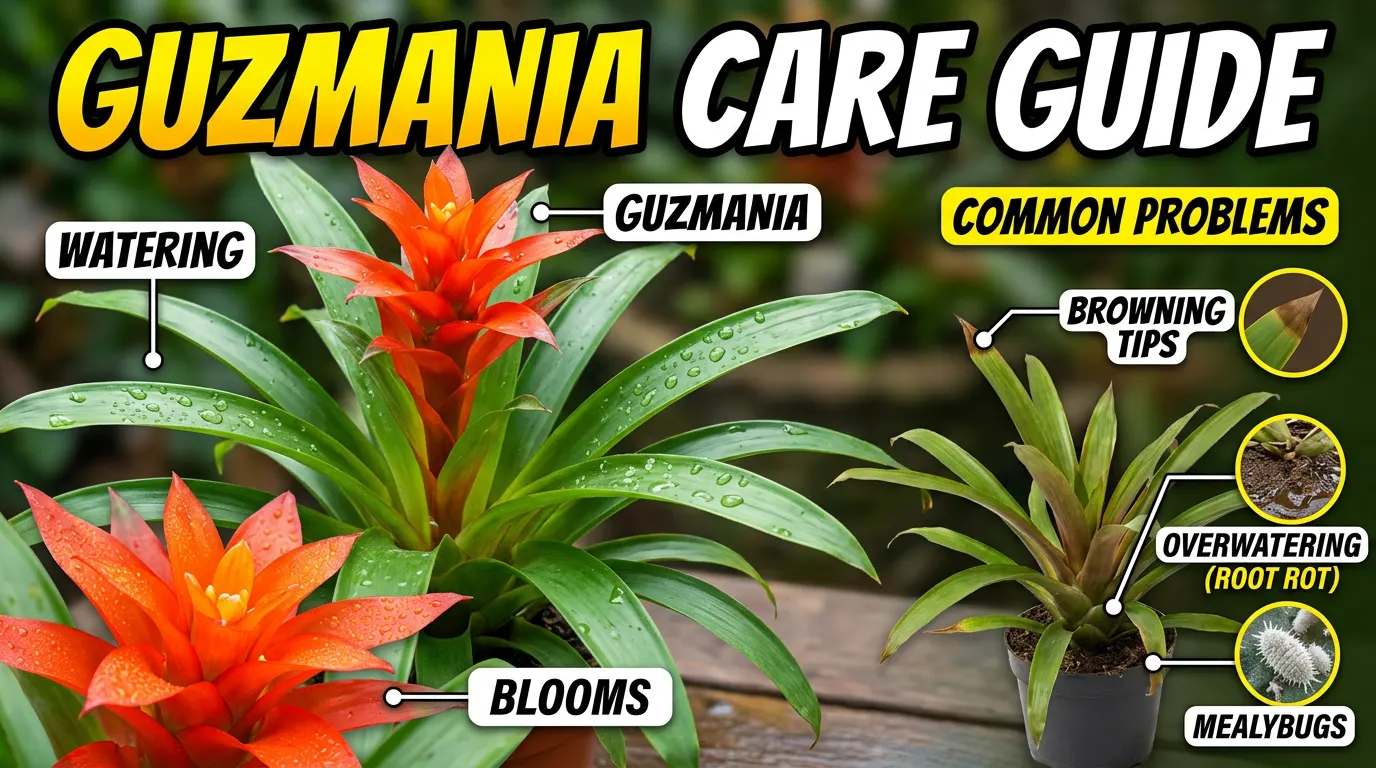
- Guzmania Care Guide: Watering, Blooms and Common Problems
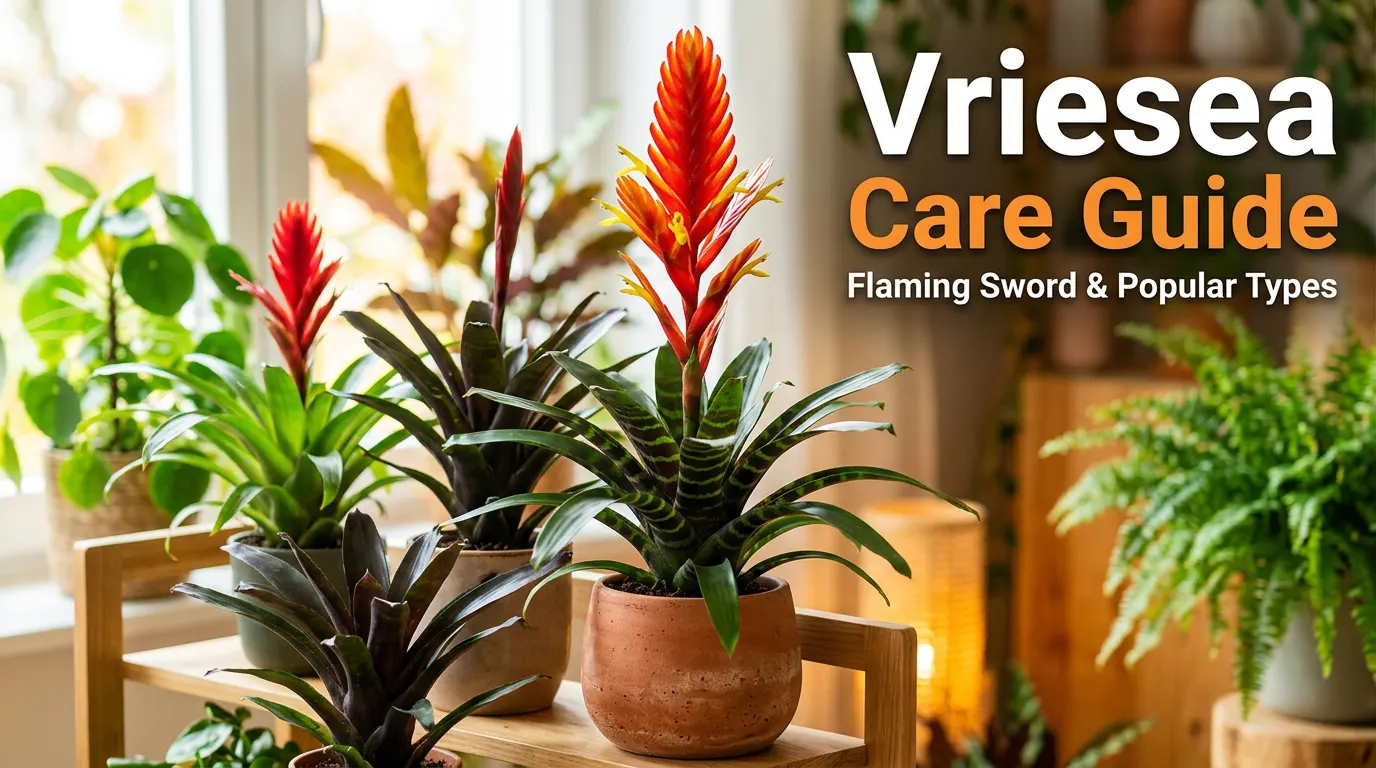
- Vriesea Care Guide: Flaming Sword and Other Popular Types
- Bromeliad Problems: Yellow Leaves, Root Rot and Common Issues
- Growing Bromeliads in India: Climate, Regions and Seasons
- Tillandsia Air Plants in India: Care, Watering and Mounting




Leave a Reply