
BROMELIAD GUIDE · UPDATED OCTOBER 2026
By Everydaything Team · Last updated October 2026
Are bromeliads toxic to cats? The ASPCA lists the common houseplant bromeliads it has assessed as non-toxic to both cats and dogs. The Pet Poison Helpline also names bromeliads among pet-friendly plants. Even so, the plants are not risk-free, because sharp leaf edges, stale water in the cup and sprays on the leaves can still hurt a curious pet.
Quick answer
- Cats and dogs: Neoregelia, Guzmania and Cryptanthus all have ASPCA pages that say non-toxic.
- Humans: the leaves are not known as poisonous, but spines cut and the sap of some species irritates skin.
- Edible? Only the pineapple (Ananas comosus) and a few wild relatives are traditional foods. Never eat an ornamental bromeliad.
- On the sources below, the real hazards are spines, cup water, plant sprays and nibbling rather than poison.
- Unsure about a specific genus? Look it up by name on the ASPCA list, or ask a vet.
Safety note: this guide is general information, not veterinary or medical advice. If a pet or child seems unwell after eating any plant, call a vet or doctor straight away.
Are bromeliads toxic to cats?
No, not according to the ASPCA pages we could check. Its database marks the blushing bromeliad (Neoregelia) as non-toxic to both dogs and cats. It gives the same verdict for the orange star (Guzmania lingulata var. minor), the mosaic vase (Guzmania musaica) and the earth star (Cryptanthus).
Searchers often ask whether a bromeliad is safe for cats and dogs together. The Pet Poison Helpline answers yes in general terms. In its pet-safe plants article it calls bromeliads “non-toxic house plants”. Clemson University’s Home and Garden Information Center likewise includes bromeliads in its list of ten pet-safe houseplants.

Which bromeliads has the ASPCA actually listed?
The ASPCA lists individual plants, not the whole family, so the table below separates what we confirmed from what we did not. If you own another type, follow our guide to identifying a bromeliad first, then search the ASPCA database for that exact name.
| Plant (ASPCA entry) | Genus | Dogs | Cats | Horses |
|---|---|---|---|---|
| Blushing bromeliad, crimson cup | Neoregelia | Non-toxic | Non-toxic | Not stated |
| Orange star | Guzmania lingulata var. minor | Non-toxic | Non-toxic | Non-toxic |
| Mosaic vase | Guzmania musaica | Non-toxic | Non-toxic | Non-toxic |
| Earth star | Cryptanthus | Non-toxic | Non-toxic | Not stated |
| Silver vase, flaming sword, air plants, Billbergia | Aechmea, Vriesea, Tillandsia, Billbergia | Not confirmed on an ASPCA page in our checks | ||
Two small oddities are worth knowing. The ASPCA spells the genus “Neoregalia” and the earth star species “bivattus” on its pages, so search by common name if the exact spelling fails. Also, the last row is a gap in our checking, not a warning. A popular gardening writer lists Aechmea fasciata among non-toxic houseplants, but that is a secondary source without citations. Treat it as reassuring, not as proof.
Are bromeliads safe for dogs?
Yes, according to the same ASPCA entries linked above. Dogs tend to differ from cats in how they get into trouble. They chew more, so a dog may rip a whole plant out of its pot and swallow a mouthful of leaf or potting mix. Non-toxic leaves can still cause vomiting or loose stools, because any unusual plant matter can upset a stomach. The Pet Poison Helpline notes that eating anything outside the regular diet can cause stomach upset and diarrhoea.
In India, many families keep dogs on balconies and terraces. If your bromeliad sits there, check where the pot can be knocked over, and read the section on pet-proofing below.
Is a bromeliad poisonous to humans?
Not in the sense of a classic poison plant, but it is not entirely harmless to handle. The gardening site Plant Addicts says bromeliads are non-toxic to people. That is a secondary source, so we also checked the scientific literature.
The Botanical Dermatology Database summarises older papers on the family. It names mechanical injury from strong, curved leaf spines as the main hazard. It also notes that the sap of some species can irritate skin, which it links to protein-digesting enzymes. Those reports concern fruit and leaf pulp of wild species such as Bromelia pinguin, so they should not be read as proof that a houseplant Guzmania will burn you.
Practical advice for people follows from this evidence:
- Wear gloves when you repot or divide spiny types such as large Aechmea. The University of Florida’s Charlotte County office says that for Aechmea blanchetiana heavy gloves are advisable because the edges cut.
- Wash your hands after handling a plant that has been sprayed or fertilised.
- If a child chews a leaf, rinse the mouth, offer water and call a doctor if the child seems unwell.
Can bromeliads cause a rash or allergy?
Occasionally, but good evidence is thin. The Botanical Dermatology Database reports irritant effects and one allergic route, a chemical called ethyl acrylate found in pineapple fruit, which sensitised some volunteers in an old experiment. It does not mention leaf hairs (trichomes) as an irritant, and we found no source that does. The same database describes “pseudophytodermatitis” in wild air plants, meaning a rash from ants nesting inside them. That is unlikely for a shop-bought plant.
Why “non-toxic” does not mean harmless
An ASPCA listing speaks to poison, not to every possible injury. Four practical hazards remain, and each one is easy to manage.
Do spiny leaves hurt pets?
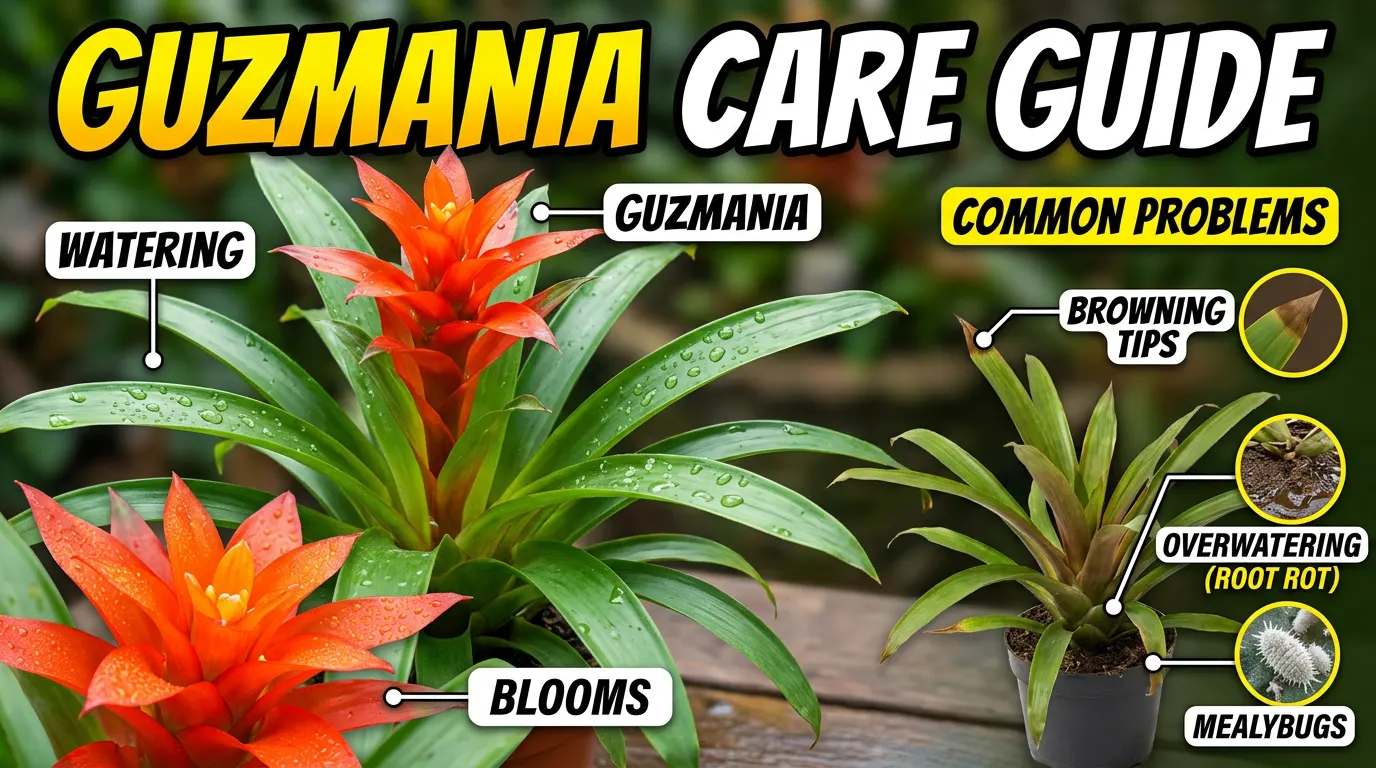
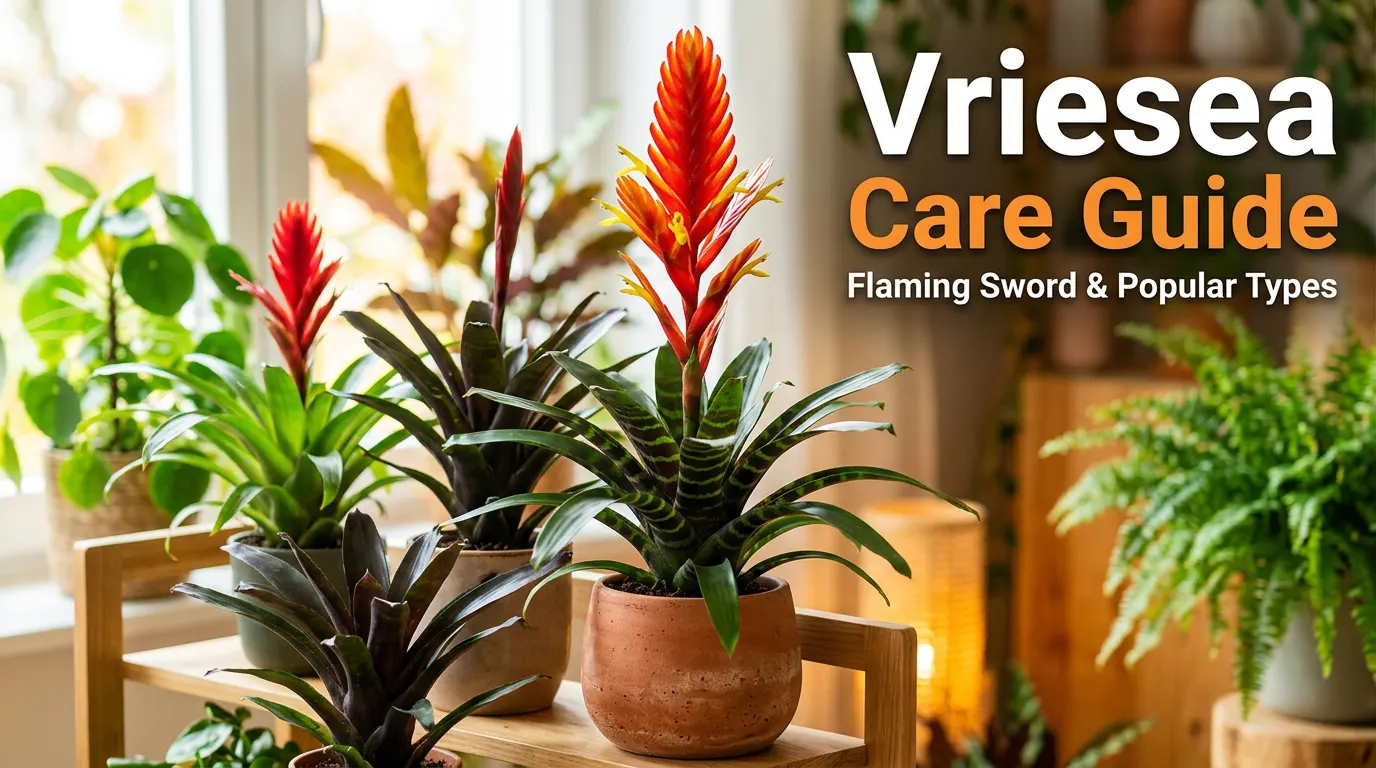
They can. The Botanical Dermatology Database names spiny leaf edges as the family’s main hazard, and our Aechmea fasciata guide covers the silver vase, a spiny-edged houseplant. A cat batting at a leaf may get scratched, and a dog nosing into the rosette may jab its nose or eye. Guzmania and Vriesea generally have smoother leaf edges (check your own plant), so they are kinder choices in a house with pets; see our Guzmania care guide and Vriesea guide.
Is the water in the cup safe for pets to drink?
Not ideal. The cup holds water for days, and it may contain dissolved fertiliser, plant debris or mosquito larvae. The ASPCA does not assess cup water, so this is our cautious reading and not a listed toxin. Flush the cup weekly. Our guide to bromeliad plant benefits, mosquitoes and pets explains the mosquito side of that advice, which India’s health authorities also support for dengue control.
What about sprays, fertiliser and potting mix?
The plant may be safe while the product on it is not. Insecticides, leaf-shine sprays and fertilisers carry their own labels. Follow those labels, keep treated plants away from pets until dry, and store bottles out of reach. If a nursery sold you the plant, ask what it was treated with.
Can a pet choke on bromeliad leaves?
We found no veterinary source on this question, so we cannot give a verdict. Long, strappy leaves are tough, and a small animal that swallows a large piece may struggle. If your pet keeps chewing the plant, move it out of reach and speak to a vet about the habit. Clemson University notes that pets chew houseplants for reasons such as boredom or instinct.
Which bromeliads are edible, and can you eat a pineapple plant?
The best-known edible bromeliad is the pineapple, Ananas comosus. NC State Extension describes the ripe fruit as edible raw, cooked or preserved. It rates the plant’s poison severity as low, but it also lists bromelain, ethyl acrylate and calcium oxalate crystals as irritant compounds in fruit, leaves and sap. Large amounts of raw fruit or leaf sap can irritate the throat, and the leaf edges can injure you.
Other bromeliads are used as food in parts of Latin America. A review by Hornung-Leoni in the journal Polibotánica recorded 24 species with traditional food uses, as vegetables, drinks or whole fruit. Bromelia pinguin alone had three different food uses. However, the dermatology database warns that handling its pulp bare-handed caused painful fingertip ulcers in laboratory workers, and that fruit of related Bromelia species can irritate the lips when eaten unpeeled.
Can you eat the bromeliad on your shelf?
No. A traditional food species and a decorative Guzmania are very different plants. We found no source saying ornamental cultivars are fit for eating, and nursery plants may have been treated with products never meant for food. In India, pineapple is a widespread crop. The National Horticulture Board lists Assam, Kerala, West Bengal, Karnataka and several north-eastern states among the growing regions, so buy fruit from the market instead.
Are bromeliads safe for birds, rabbits and reptiles?
The evidence is thinner here, so the honest answer is “probably, but check”. The Pet Poison Helpline’s general advice names birds among the pets to protect from toxic houseplants. VCA Animal Hospitals adds that plant safety studies for birds are scarce, and bromeliads do not appear on its list of plants that may be poisonous to birds. That is absence of evidence, not a guarantee.
We found no reliable listing for rabbits, so ask an exotic-pet vet. Reptile and frog keepers often use bromeliads inside enclosures. Our guide to bromeliads for dart frog and crested gecko vivariums covers that setup, including the extra hygiene that cup water needs in an occupied enclosure.
Which houseplants really are dangerous for cats and dogs?
Your bromeliad is rarely the problem on the shelf, so look at its neighbours. The Pet Poison Helpline calls true lilies a “hard no” for cat owners, warns that sago palms can cause fatal liver failure and lists pothos as toxic. The ASPCA similarly flags lilies, sago palms, tulips, oleander and autumn crocus as potentially life-threatening in its plant guidance for pet owners. Money plant (pothos) is common in Indian homes, so check that one first.
| Who or what | Poison risk from common bromeliads | Main practical risk |
|---|---|---|
| Cats | Low (ASPCA non-toxic for tested genera) | Spines, cup water, chewing |
| Dogs | Low (same entries) | Tipping the pot, eating leaves or mix |
| Adults and children | Low for leaves; sap can irritate | Cuts from spines; chewing |
| Birds, rabbits | Not well studied | Ask an avian or exotic vet |
| Pineapple fruit eaters | Fruit is edible; raw fruit can irritate mouth | Spines on the plant |
| Based on ASPCA pages for Neoregelia, Guzmania and Cryptanthus; other genera not confirmed | ||
How do you pet-proof a bromeliad?
Pet-proofing is mostly about placement and habit. Use these steps:
- Raise it. Hang the plant or set it on a shelf your cat cannot reach. Mounted plants, as in our guide to mounting a bromeliad on wood, suit wall displays.
- Choose smooth edges. Pick Guzmania or Vriesea over spiny Aechmea if your pet is rough with plants.
- Flush the cup weekly. Doing so also protects against mosquitoes.
- Weigh the pot. A heavy ceramic pot is harder to topple than plastic.
- Offer something else. Cat grass or a chew toy often redirects a habitual plant chewer.
- Remove spent leaves. Dry tips are easy to tug off and swallow.
For general bromeliad routines, see our complete bromeliad care guide.
What should you do if your pet eats a bromeliad?

Stay calm, remove the plant from the pet’s reach and note how much was eaten and when. Then call a vet. Do not try to make the animal vomit unless a professional tells you to. This guide cannot give doses or treatment.
Two helplines run by US organisations publish their numbers. ASPCA Poison Control lists (888) 426-4435 as its 24-hour hotline, and the Pet Poison Helpline lists (855) 764-7661 as 24/7. We could not verify whether either takes calls from India or what they charge, so readers here should start with a local vet or a 24-hour animal hospital.
If a person is affected, India’s National Poisons Information Centre at AIIMS, New Delhi gives a toll-free number, 1800 116 117, and says it takes calls around the clock. Its page does not mention animals, so use it for human exposures only.
Bromeliads and pets in India
Some Indian readers search in Hinglish, for example “bromeliad billi ke liye safe hai” or “kya bromeliad poisonous hai”. The answer matches the global one, but local conditions change the risks. During the monsoon, cups stay full, so weekly flushing matters more. Our guide to growing bromeliads in India explains the seasons by region.
In summer, cat owners often put plants on open balconies, where the sun can burn leaves and make cup water warm. Air plants (Tillandsia) have no cup at all, which removes the water problem; see Tillandsia air plants in India. When you shop, our comparison of Indian bromeliad sellers covers how to check what you are getting. Because sellers sometimes use trade names, confirm the genus using our popular bromeliad varieties guide or our Neoregelia care guide, then search the ASPCA list for that name.
Bromeliads toxic to cats: frequently asked questions
Are bromeliads toxic to cats?
No for the types the ASPCA has assessed. Neoregelia, Guzmania and Cryptanthus are listed as non-toxic to cats and dogs. Spines and cup water are still worth managing.
Are bromeliads safe for dogs?
Yes, according to the same ASPCA entries, they are listed as non-toxic to dogs. A dog can still get an upset stomach from eating leaves, so keep the plant out of reach.
Is a bromeliad poisonous to humans?
Leaves are not known as a poison for people. The main risks are cuts from spiny leaf edges and, for some species, skin irritation from sap.
Are indoor bromeliads toxic to cats if they drink the cup water?
The ASPCA does not assess cup water. It can hold fertiliser, debris or mosquito larvae, so flush it weekly and discourage pets from drinking it.
What bromeliads are edible?
The pineapple, Ananas comosus, is the main one. A 2011 review recorded 24 Latin American bromeliad species with traditional food uses, but ornamental houseplants should not be eaten.
Can you eat a pineapple bromeliad plant?
You can eat the ripe fruit of the pineapple. Large amounts of raw fruit or leaf sap can irritate the mouth and throat, and the leaves are not food.
Are bromeliads safe for birds, rabbits and reptiles?
Evidence is limited. Bromeliads are not on VCA’s bird-toxic list, but plant data for birds is scarce, so ask an avian or exotic vet before relying on that.
What should I do if my pet eats a bromeliad?
Remove the plant, note how much was eaten and call your vet. Do not induce vomiting unless a professional advises it.
Which houseplants are really dangerous for cats?
True lilies and sago palms top the Pet Poison Helpline’s warnings, and pothos is listed as toxic. Check these before worrying about your bromeliad.
References
- ASPCA: Blushing bromeliad (Neoregelia)
- ASPCA: Orange star (Guzmania lingulata var. minor)
- ASPCA: Mosaic vase (Guzmania musaica)
- ASPCA: Earth star (Cryptanthus)
- ASPCA: Do you know which flowers and plants are toxic to pets?
- Pet Poison Helpline: Pet safe plants
- Pet Poison Helpline: Safe plants for your furry friend
- Botanical Dermatology Database: Bromeliaceae
- NC State Extension: Ananas comosus (pineapple)
- Hornung-Leoni (2011), Bromeliads: traditional plant food in Latin America since prehispanic times, Polibotanica 32
- VCA Animal Hospitals: Plants and birds
- Clemson HGIC: Pet-safe indoor houseplants
- UF/IFAS Extension Charlotte County: A full-sun bromeliad
- AIIMS New Delhi: National Poisons Information Centre
- National Horticulture Board, India: Pineapple
- Laidback Gardener: Houseplants that won’t poison kids or pets (secondary source)
- Plant Addicts: Are bromeliads poisonous? (secondary source)
Reminder: this guide is general information, not veterinary or medical advice. Plant lists change and individual animals vary, so confirm any plant on the current ASPCA list.
Related Guides
- Bromeliad Plant Benefits: Air Purifying Myths, Mosquitoes and Pets
- How to Identify a Bromeliad: Leaves, Cups, Flowers and Look-Alikes
- Popular Bromeliad Varieties: Blue Tango, Queen’s Tears, Zebra and More
- Neoregelia Care Guide: Fireball, Size and Propagation
- Aechmea Fasciata (Silver Vase) Care: Light, Water and Blooms
- Guzmania Care Guide: Watering, Blooms and Common Problems
- Vriesea Care Guide: Flaming Sword and Other Popular Types
- Bromeliad Care: The Complete Guide to Growing Them Indoors
- Growing Bromeliads in India: Climate, Regions and Seasons
- Where to Buy Bromeliads Online in India




Leave a Reply